 Fit & wardrobe
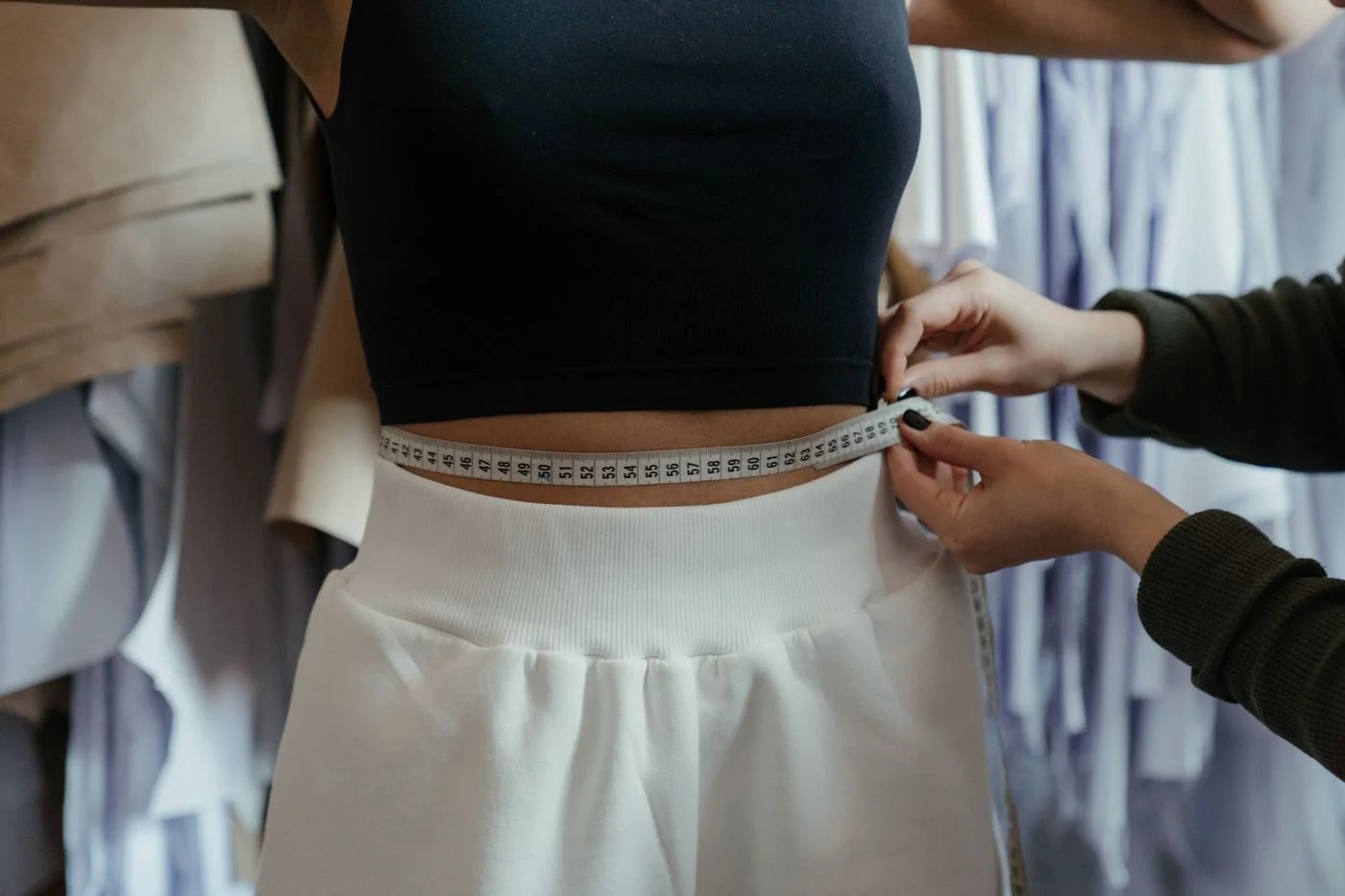
Taking body measurements for online clothing charts
Use a flexible tape, the chart’s own instructions, and a repeatable stance to get numbers you can compare.
The reading shelf
Measure with a purpose, test clothes in motion, and build around the life your wardrobe needs to fit.
Fit & wardrobeUse a flexible tape, the chart’s own instructions, and a repeatable stance to get numbers you can compare.
 Fit & wardrobe
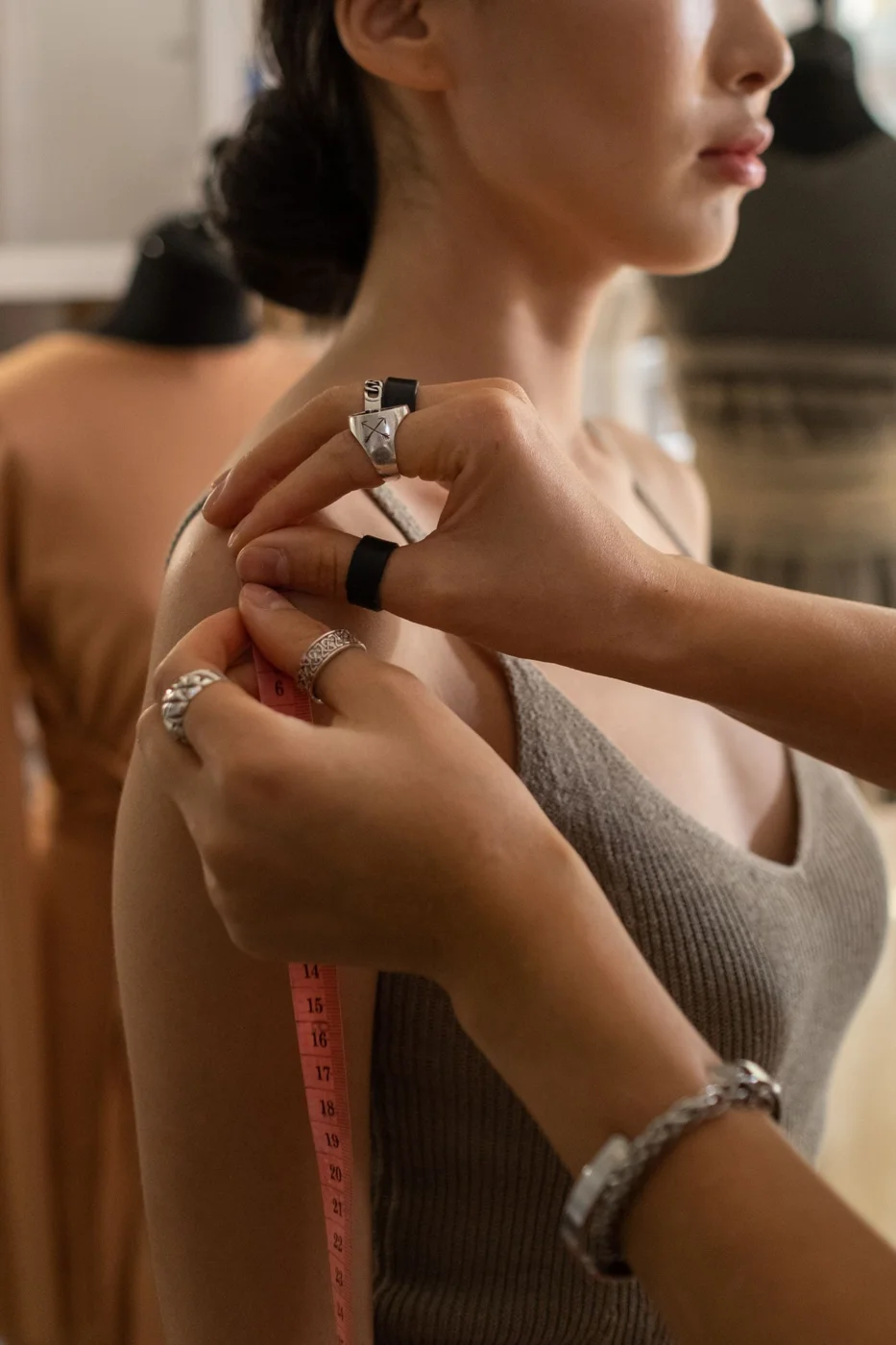
Identify what the numbers describe before using a size chart. Your body and a finished garment are different objects.
 Fit & wardrobe
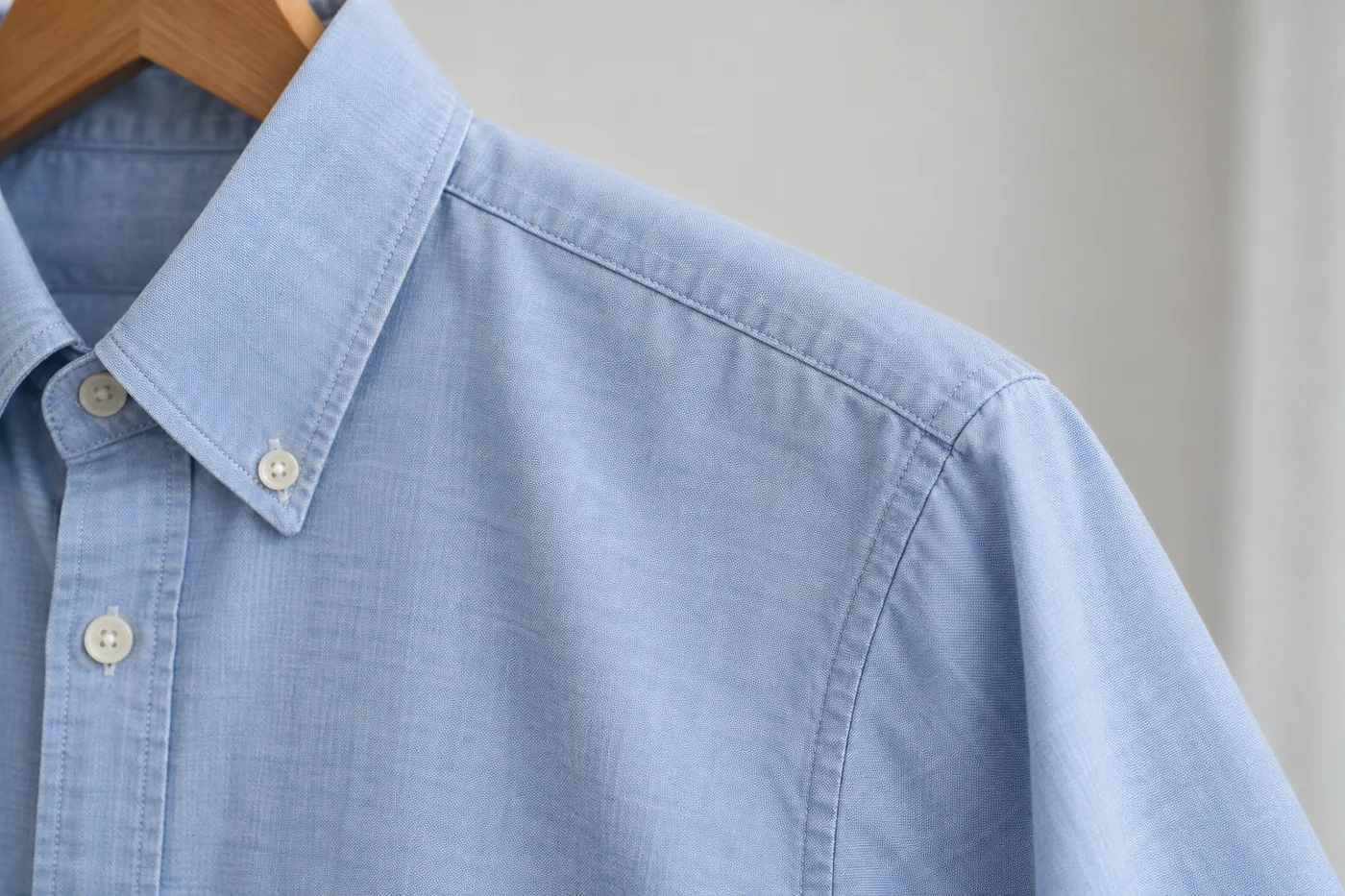
Use the seam as a clue to the shirt’s intended shape, then check how the fabric moves with you.
 Fit & wardrobe
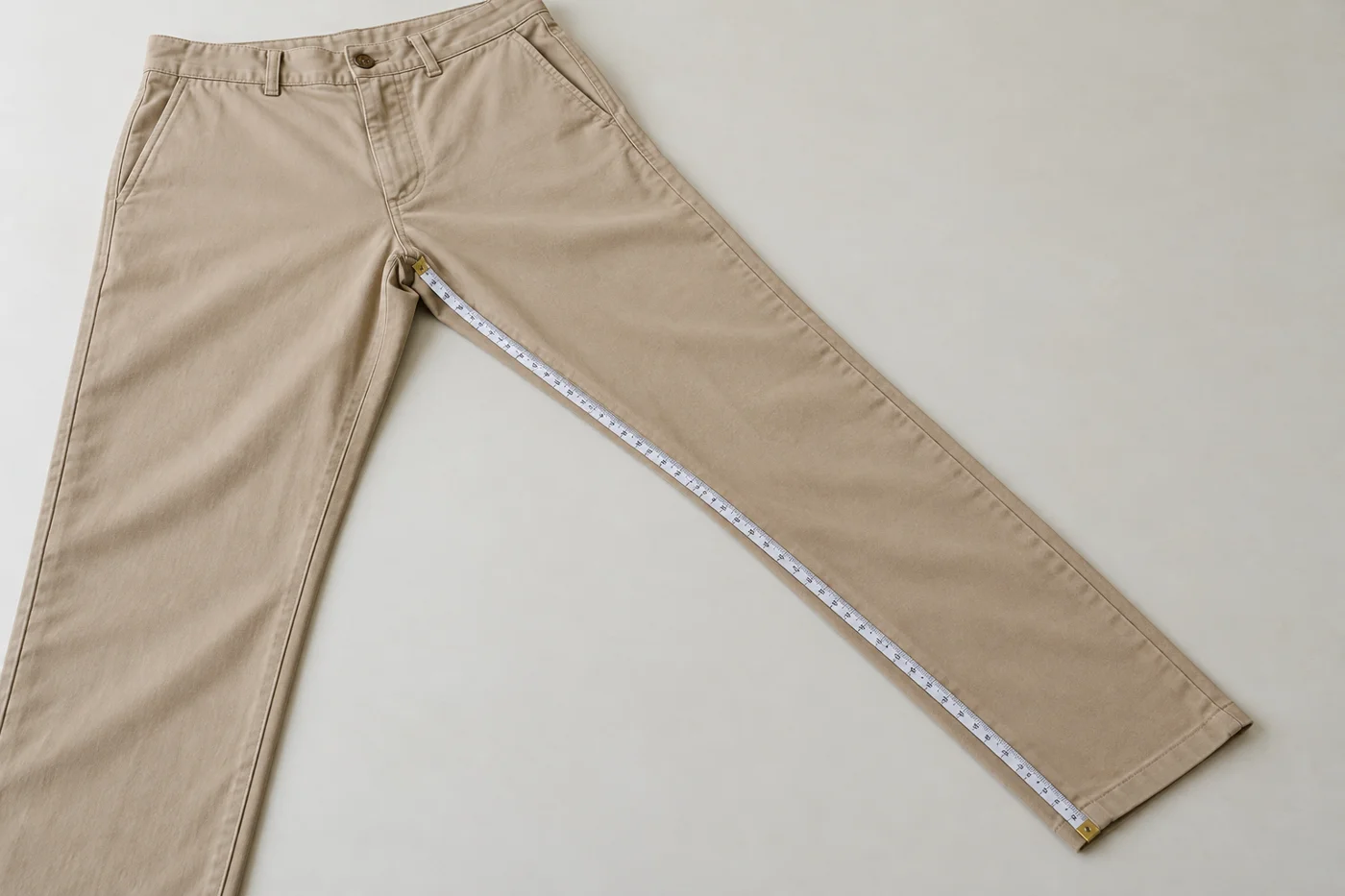
Trouser length below the crotch does not tell you where the waistband will sit.
 Fit & wardrobe
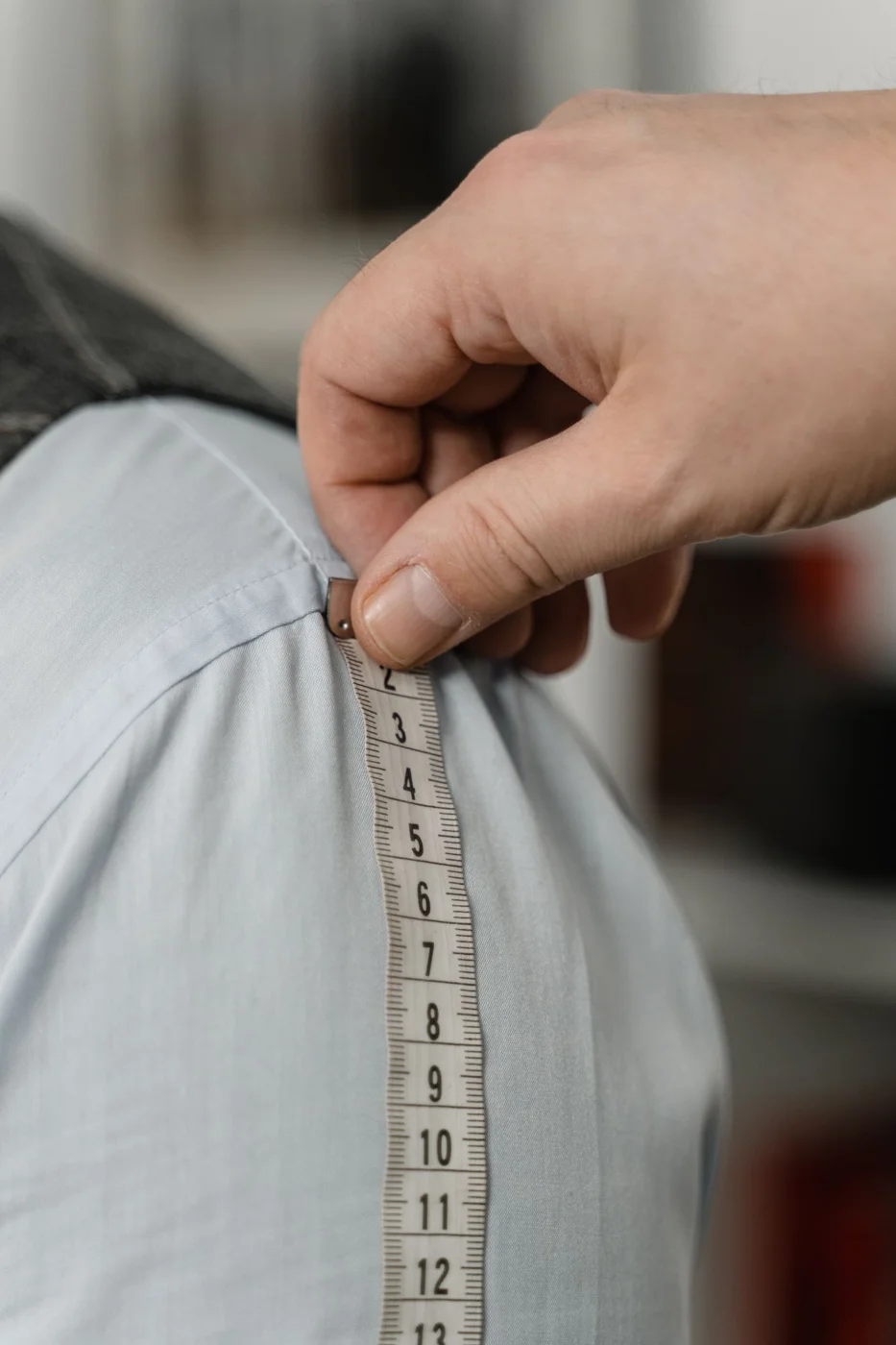
A sleeve that looks right at rest can behave differently at a desk, on a bike, or beneath a jacket.
 Fit & wardrobe
Petite clothing can change several proportions at once. Check which changes actually help your fit.
 Fit & wardrobe
Tall versions may adjust sleeves, torso, and rise as well as hems. Choose the proportions you need.
 Fit & wardrobe
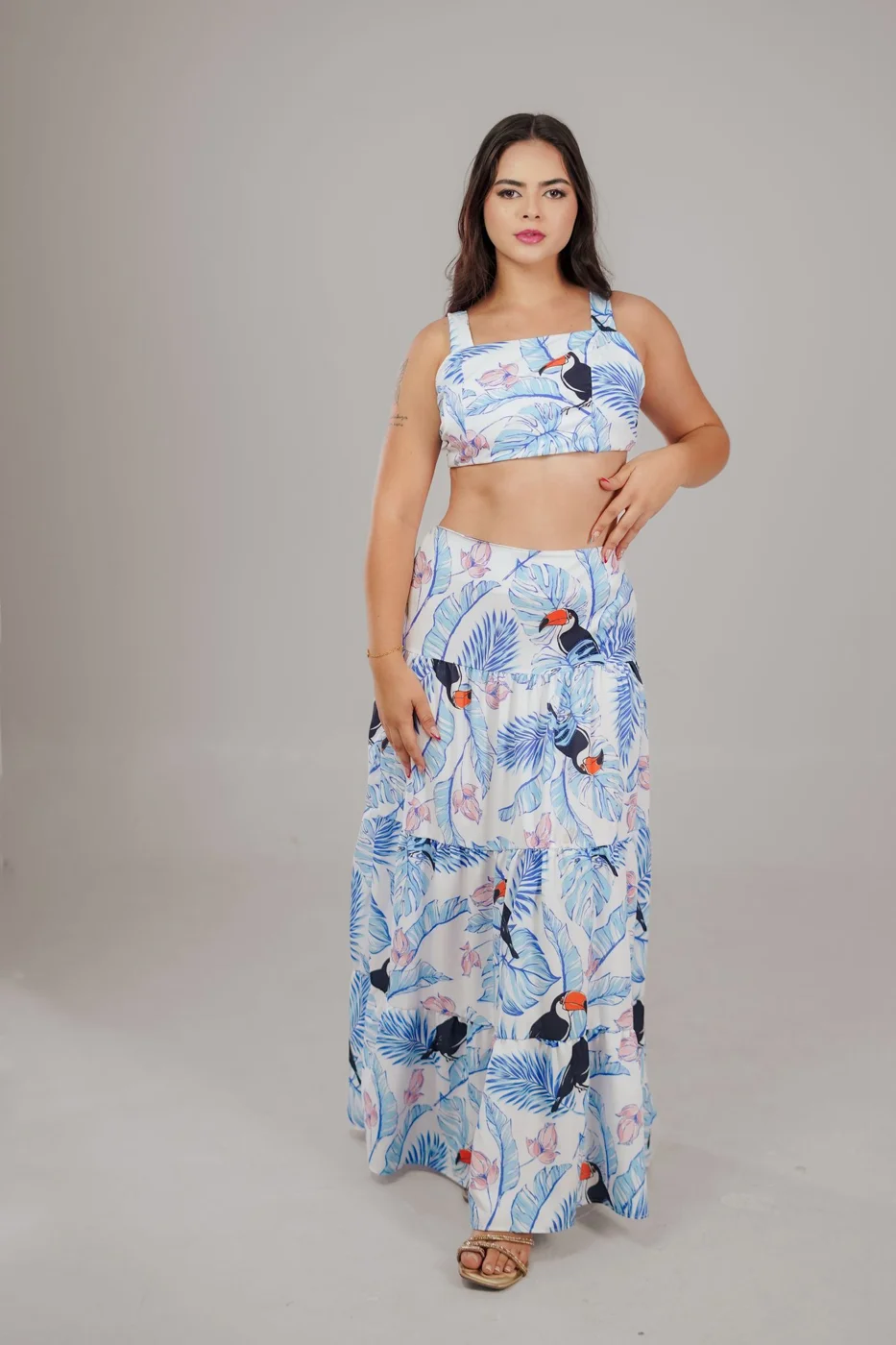
Separate sizing can solve a mismatch, but check color, proportion, and the way the pieces meet.
 Fit & wardrobe
Use a short sequence of ordinary movements to check more than the standing view.
 Fit & wardrobe
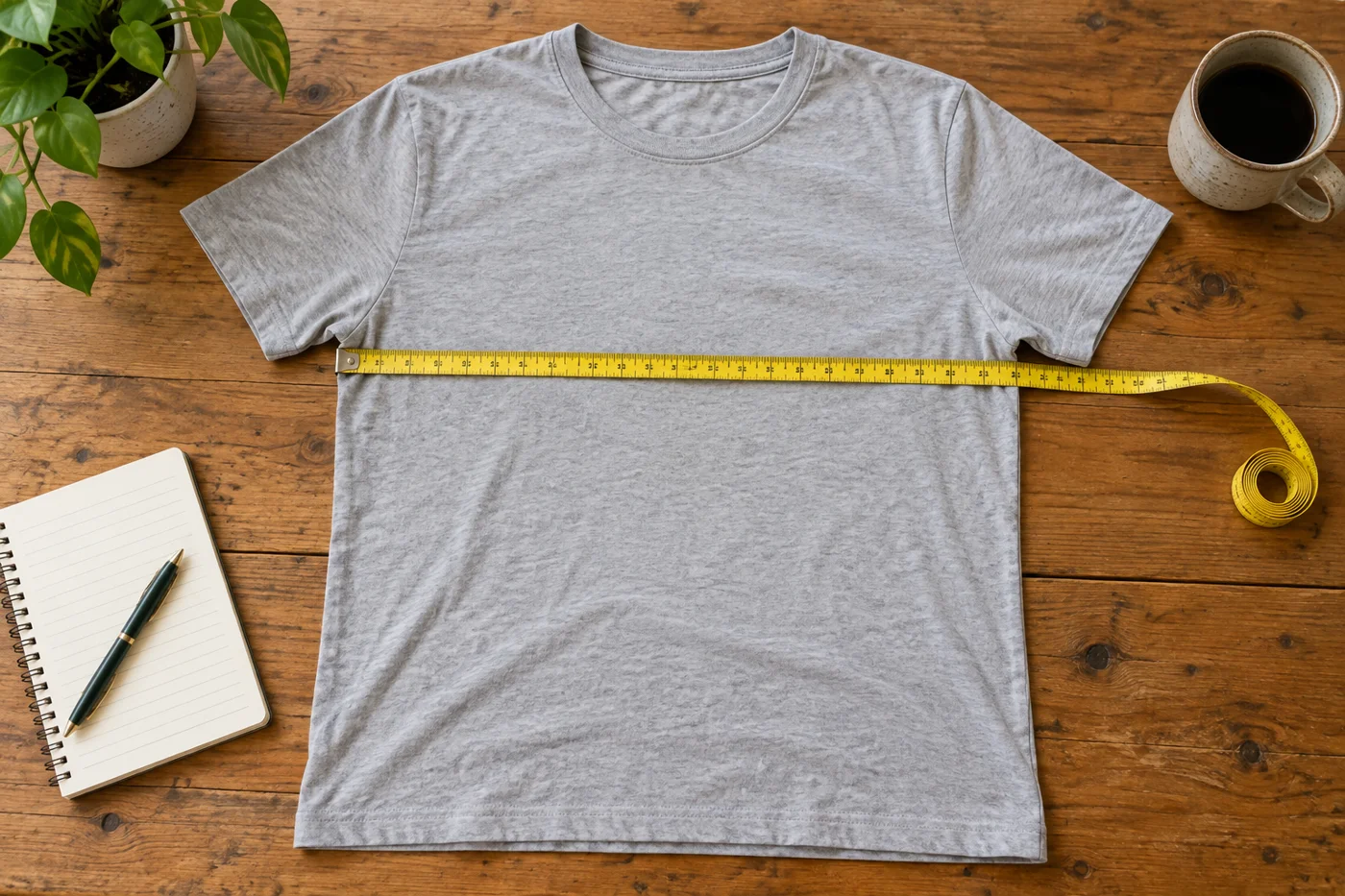
A familiar garment can become a useful reference if you copy its measuring method as carefully as its dimensions.
 Fit & wardrobe
Build around the dress code you actually follow and the number of workdays between laundry loads.
 Fit & wardrobe
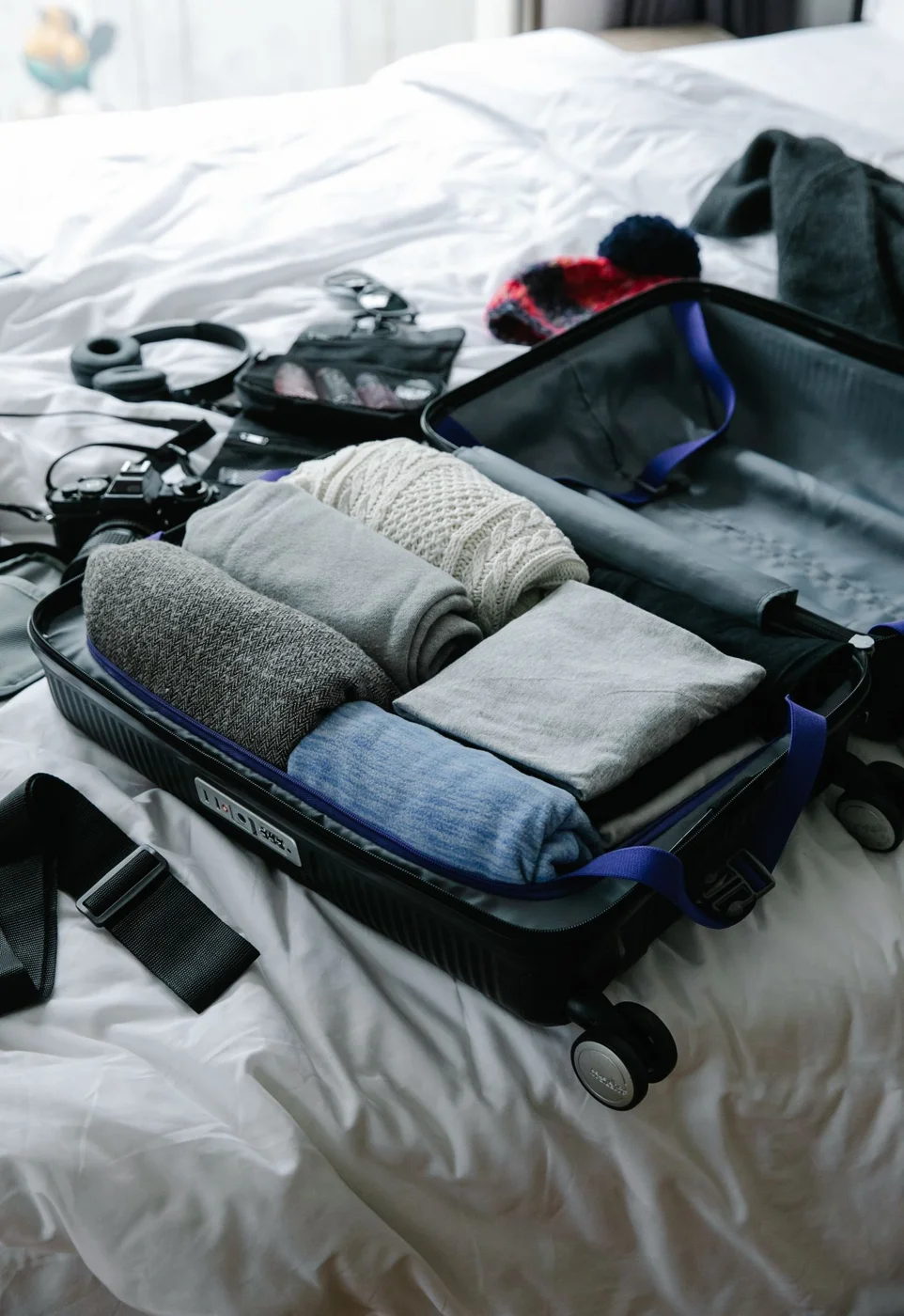
Laundry access changes the number and type of clothes a trip needs. Plan that system before counting outfits.