Extra length helps only when it appears in the right place. A longer trouser leg does not solve a waistband that sits too low, and a longer shirt hem does not stop a sleeve pulling above the wrist. Tall sizing can address several proportions, but the adjustments vary by brand and style.
Identify where regular garments fail before looking for the word tall. You may need more torso length, a longer rise, longer arms, or simply a different inseam. Writing that down keeps you from choosing a broadly larger size that adds width where you did not need it.
Compare the available measurements
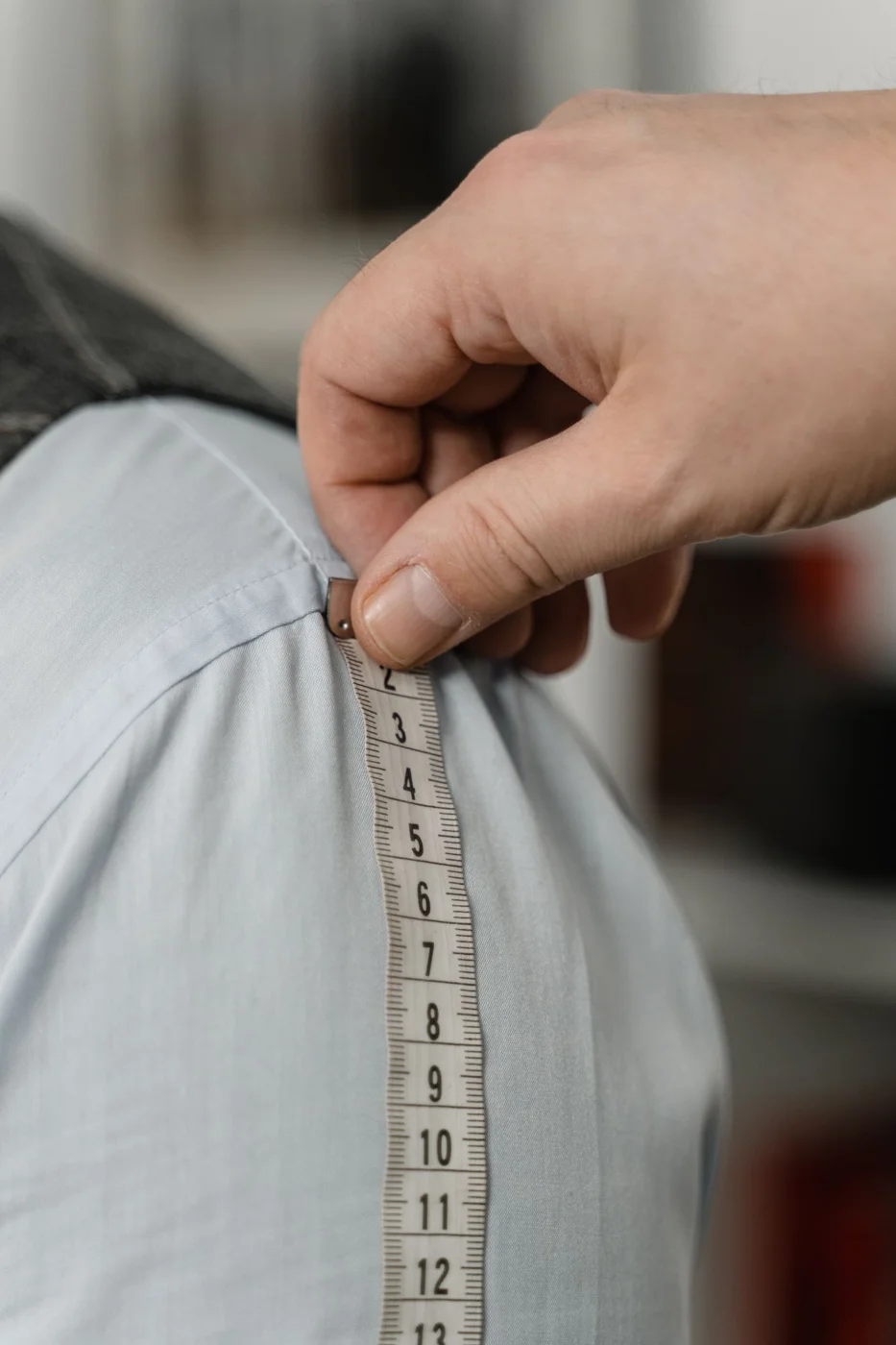
For trousers, inspect rise and inseam separately. For shirts and jackets, look at body and sleeve length, and ask how the sleeve measurement is taken. A measurement from the center back is not directly comparable with one from the shoulder seam.
If only an inseam option changes, the rest of the pattern may remain the same. A designated tall version may make additional changes, but do not assume that it does. Use the product description or ask the retailer when the distinction affects your decision.
Put the shaping where it belongs
Try a jacket or dress with attention to waist shaping, pocket placement, and any darts. A garment can cover enough of the body yet place those details too high. Similarly, a jumpsuit can have long legs while remaining too short through the torso when you sit.
Move in the clothes before evaluating the final appearance. Reach forward in a shirt, sit in trousers, and bend carefully in a one-piece garment. Watch whether closures pull or the garment rises significantly from its intended position. Added length should improve the whole fit rather than conceal tension in one area.
Do not let size labels add unnecessary width
Sizing up can provide some length while also adding volume through the chest, waist, or hips. That may be desirable for a relaxed silhouette, but it is not the same as choosing a proportion intended for longer limbs or a longer torso. Compare both dimensions.
Different garments may call for different solutions. A regular sweater with an intentionally long sleeve may work perfectly, while a tailored shirt needs a specific sleeve option. Keep useful measurements from pieces you own and update the note with the cut and fabric. A well-chosen tall garment should fit the movement and proportions you need, not merely extend beyond a regular garment's hem.