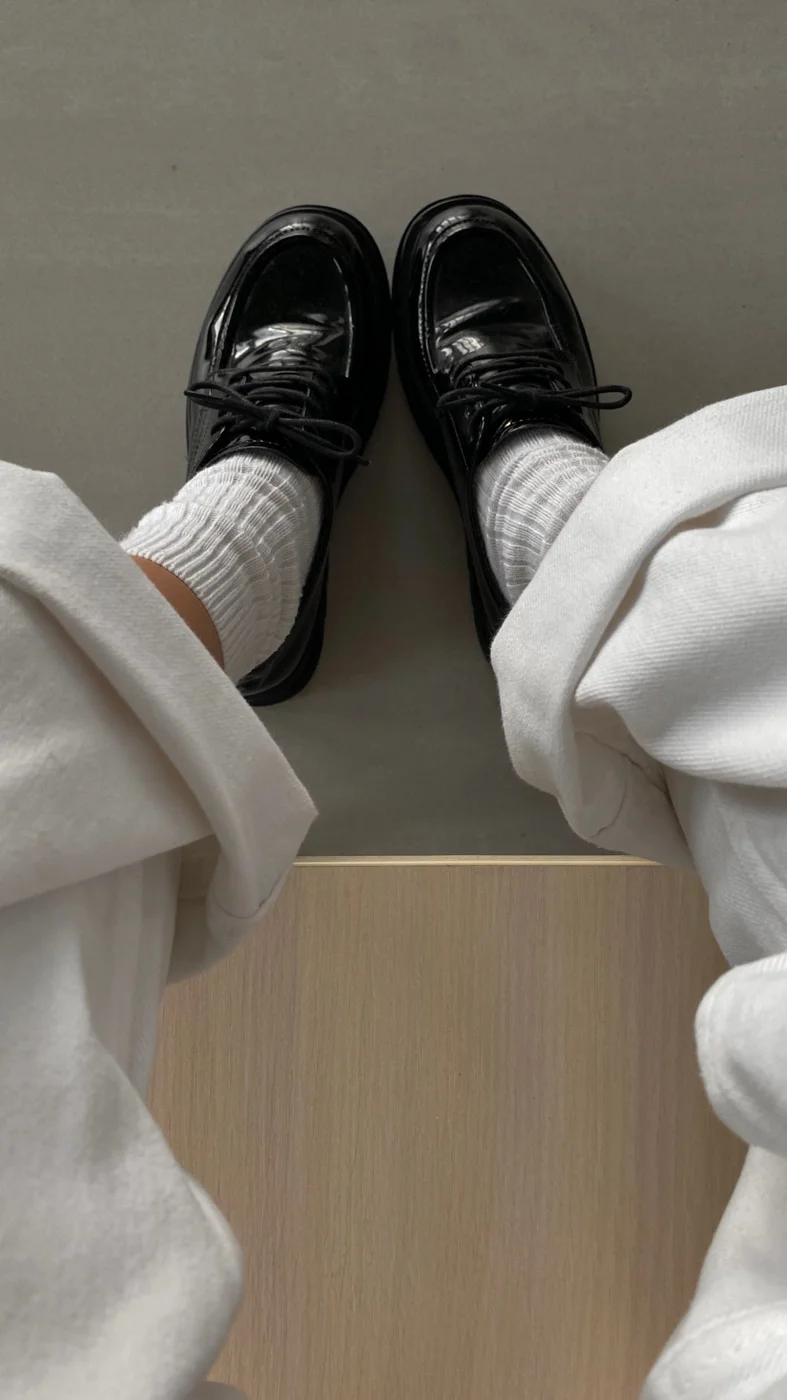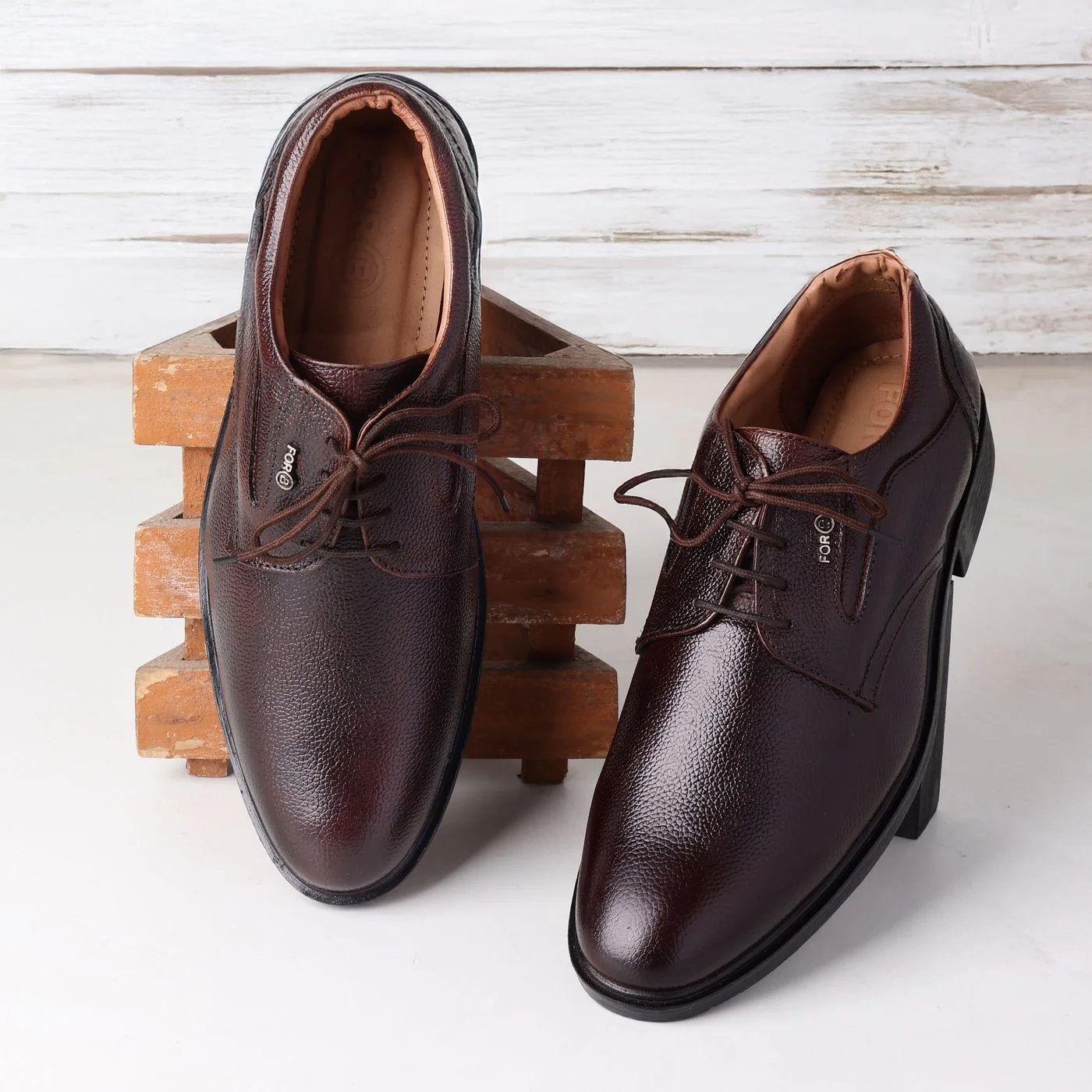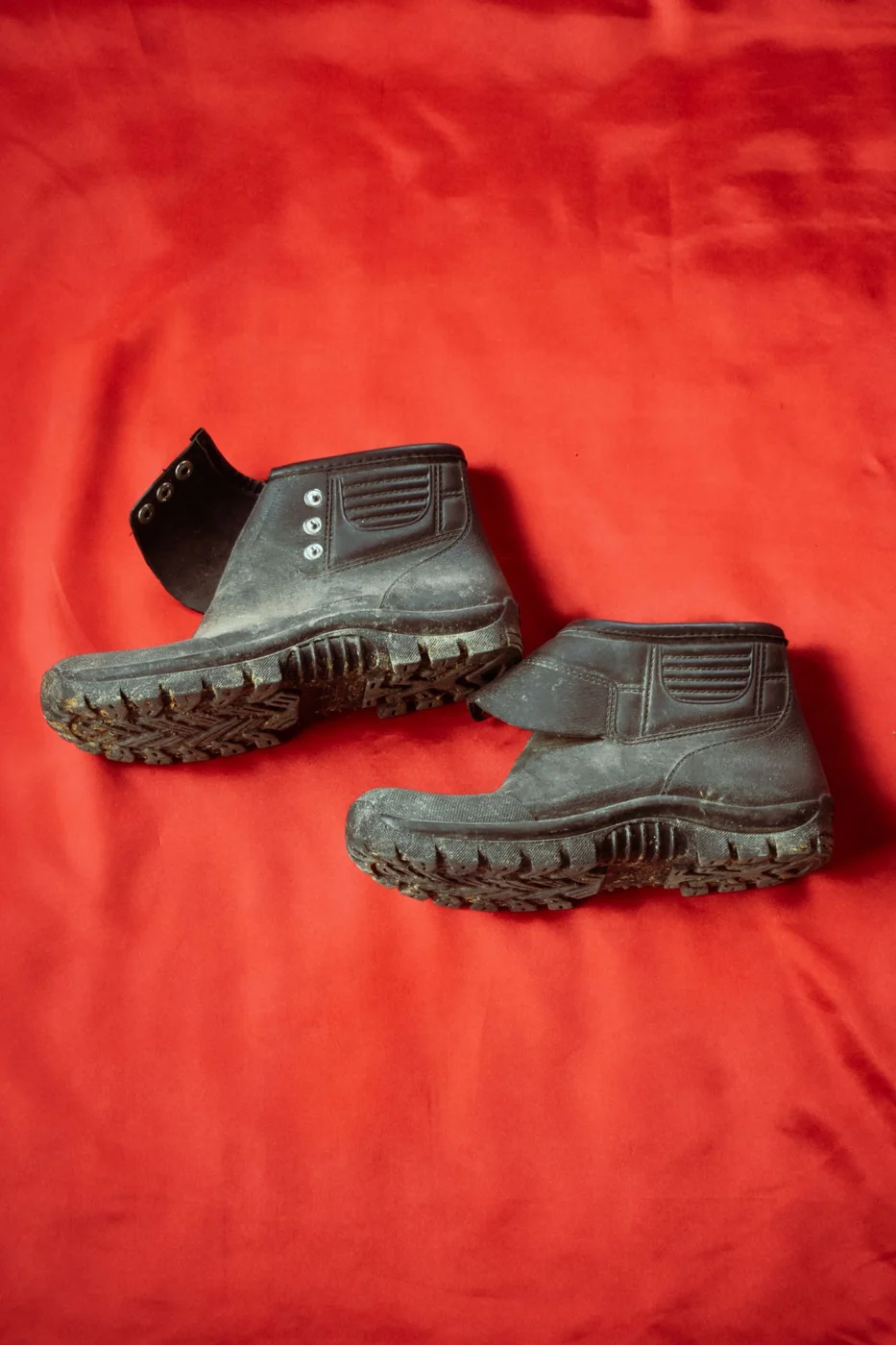
A secondhand shoe listing may show an attractive upper while hiding the parts that determine whether the pair is still useful. Ask for clear photographs of the outsole, heel, interior, and any damaged areas before judging the price. The original retail specification describes a new shoe, not necessarily the condition being sold.
Start with the soles. Look for uneven wear, smooth areas, cracks, and separation from the upper. Check both shoes rather than assuming they have worn equally. A strongly worn heel or tilted appearance deserves further inspection by someone qualified to assess repair options if you are considering the purchase.
The inside matters
Request a view of the lining and footbed. Worn-through areas, tears, or a deeply compressed interior can affect the fit you experience. A used shoe has been shaped by previous wear, so the model and nominal size alone are insufficient information.
Check closures and structural parts. Zippers should work, eyelets should be secure, and straps should have usable adjustment remaining. Replacing a lace is a different task from repairing a torn fastening point. Ask the seller to describe known repairs and defects rather than inferring everything from photographs.
For boots, inspect the shaft and where it joins the foot section. For sandals, look at the attachment of straps to the base. For sneakers, examine the edge between upper and sole. Each construction has different vulnerable areas, so a single generic condition rating may leave important gaps.
Price the uncertainty
If repairs or cleaning are needed, obtain a realistic assessment before adding them to the value calculation. Do not assume every sole can be replaced or every mark removed. A low purchase price can become less attractive when the required work is uncertain.
Review the seller's return terms and whether you can inspect the pair in person. Hygiene-related conditions may limit your options, making missing information more significant. Keep any try-on within the agreed conditions.
When you receive the shoes, compare them with the listing before wearing them outside. Check both feet and do not accept discomfort simply because the model once fitted you in another pair. Secondhand value comes from the condition and fit of the actual shoes offered, not just the reputation of their original brand or price.