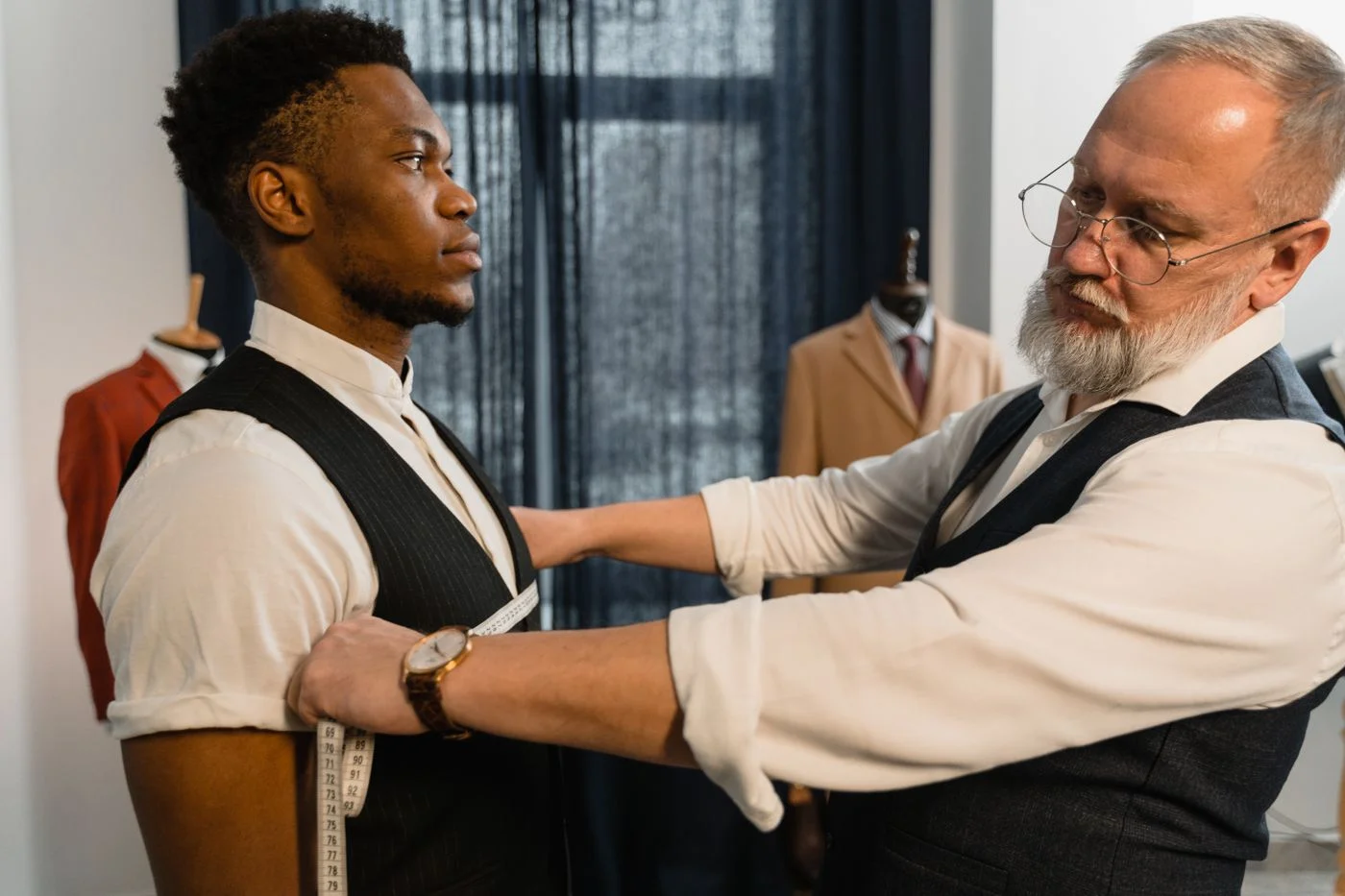
A resale photo is both a picture of an item and a limited view of its condition. Good light and an appealing outfit can show the style while leaving wear at the cuff, lining, or closure invisible. Read the image set as a collection of evidence: what can you see clearly, and what still matters but has not been shown?
Begin with the whole garment. Look for front and back views, then compare them with the written description. A stock photograph can explain the intended design, but it cannot show the condition of the individual item being sold. You need images of that specific piece for a condition decision.
Match the view to likely wear
A coat needs more than a front view on a hanger. Cuffs, pocket edges, underarms, the inside collar, and lining seams can reveal wear that disappears from a distance. For trousers, examine the seat, inner thighs, hems, waistband, and fastening. For a bag, look at corners, handles, strap attachments, lining, and hardware.
These checks are not a demand that used clothing look new. They help you decide whether the described condition matches what you are willing to maintain or repair. A clearly pictured scuff can be easier to evaluate than an unexplained shadow in the same location.
Color and texture need context
Indoor lighting, camera processing, and screen settings can change the apparent color. If the exact shade matters because the item must match another piece, ask for a neutral daylight image or a comparison with a familiar neutral object. Even then, allow for some uncertainty rather than expecting a guaranteed screen-to-fabric match.
A close-up can help distinguish a textured weave from pilling or surface damage. Ask about an area that looks unusual instead of deciding from a low-resolution crop. Enlarging a compressed image cannot create detail that the photograph did not capture.
Notice what has been cropped out
If every image ends above a hem or hides the same side of a bag, request that missing view. The omission may be accidental. A specific question about a zipper or seam is more useful than a general request for more pictures, because it explains what information you need.
Check photographs of labels when composition, care, size, or model identification affects the purchase. A recognizable logo alone does not establish authenticity, and this visual checklist is not an authentication service. For an expensive item whose authenticity you cannot evaluate, use a seller or service with an appropriate verification and return process.
Finish by comparing the visible evidence with the description and return conditions. If a material condition question remains unanswered, price the uncertainty honestly or pass on the listing. Attractive presentation should make an item easier to understand, not encourage you to invent the missing details.