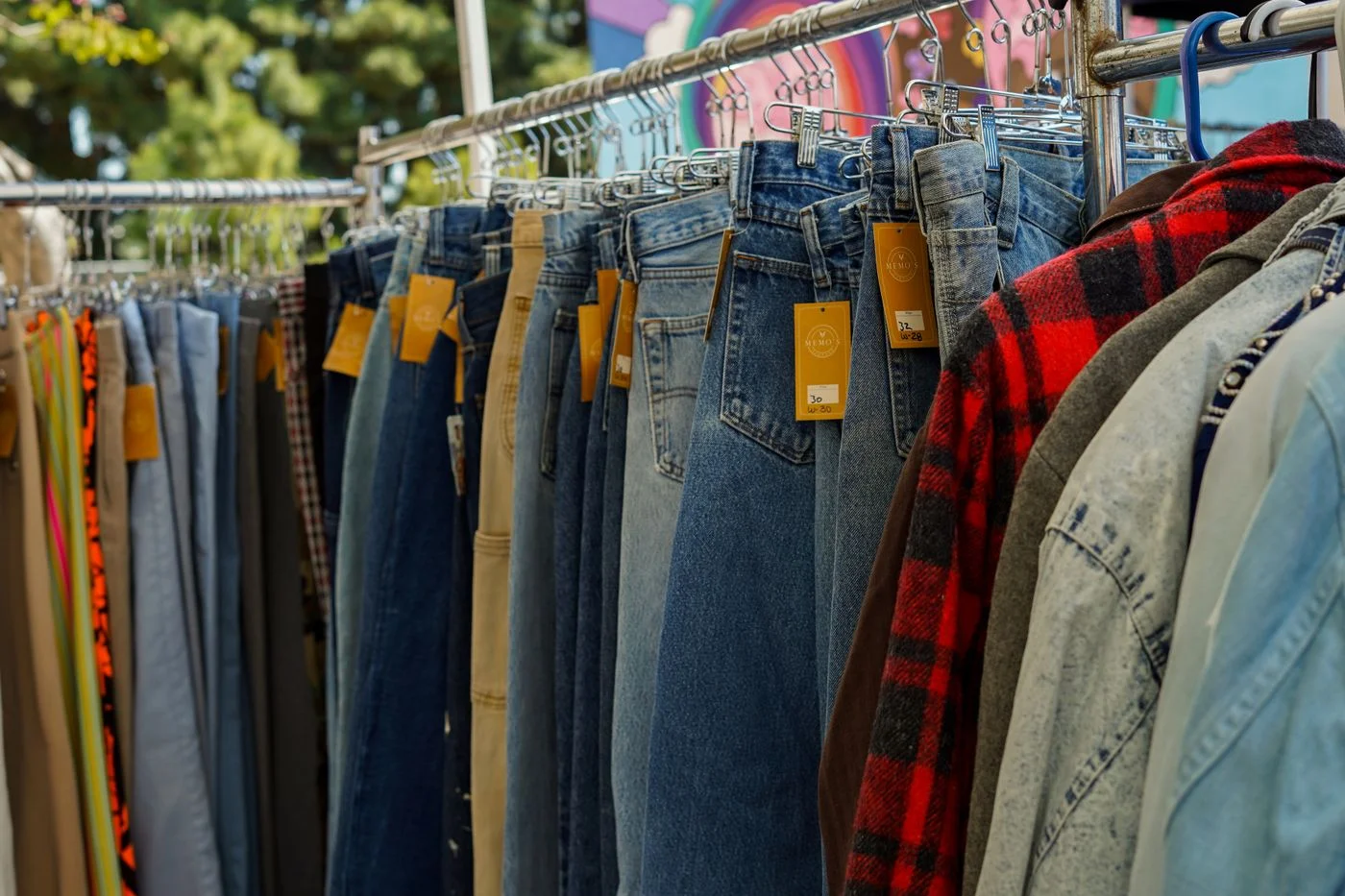
A garment that almost fits can be a worthwhile purchase, but only if the required alteration is more than a hopeful idea. Shortening a straightforward hem and rebuilding a shoulder are not the same job. Before accepting a sale price, identify exactly what needs to change and ask whether that change is realistic for the garment.
Try it on with the layers and shoes you expect to wear. Mark the difference between a length issue, a fit issue, and a style preference. If the whole garment feels wrong, several small alterations may not produce the result you imagine.
Get an estimate for the actual construction
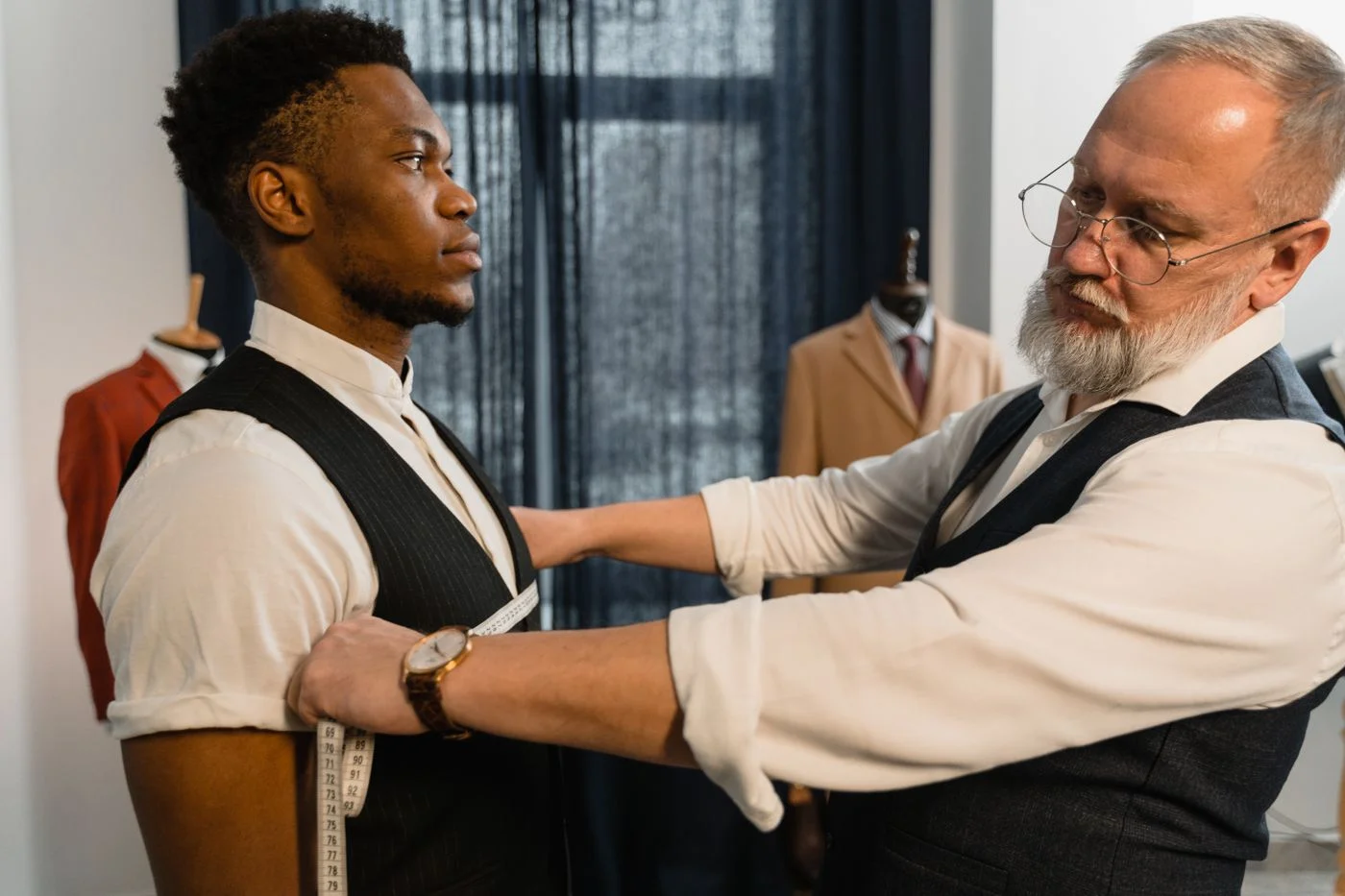
A tailor needs to see the garment or enough detail to assess it. Linings, vents, decorative hems, zippers, cuffs, pattern matching, and seam allowances can change the work involved. An estimate for plain trousers may not apply to trousers with a zip at the ankle or a finish you want preserved.
Ask what the alteration will change visually. Shortening a jacket can affect pocket placement and overall balance. Taking in a waist can shift seams or require work through a lining. The question is not just whether fabric can be removed, but whether the finished piece will still look and move as intended.
Add the costs before comparing prices
Use the purchase price, shipping, alteration estimate, and any required cleaning as one total. In a hypothetical example, a $45 sale garment with $35 of alterations is an $80 decision before other costs. Compare that with an alternative that fits without work, using similar materials and construction rather than the original full price on the sale tag.
Allow for timing too. If you need the garment for an event, ask about the fitting schedule and completion date before buying it for that purpose. A cheap item that cannot be ready in time does not meet the same need as one available to wear now.
Keep the return decision separate
Check the retailer's return conditions before any alteration. Once fabric is cut or a garment is changed, ordinary returns may no longer be available under the store's policy. Do the fitting and estimate stage first where possible, while keeping tags attached and the item in returnable condition.
Do not rely on future weight changes or repeated rounds of alteration to justify a poor starting fit. A tailor can improve many garments, but the available cloth, seam allowances, and original pattern impose limits. Let the professional explain those limits before committing.
The strongest alteration purchase begins with an otherwise suitable garment and one clear, manageable adjustment. You know the finished goal, the price, and the timeline. The weaker purchase begins with a discount and asks alterations to invent a reason it belongs in your wardrobe.