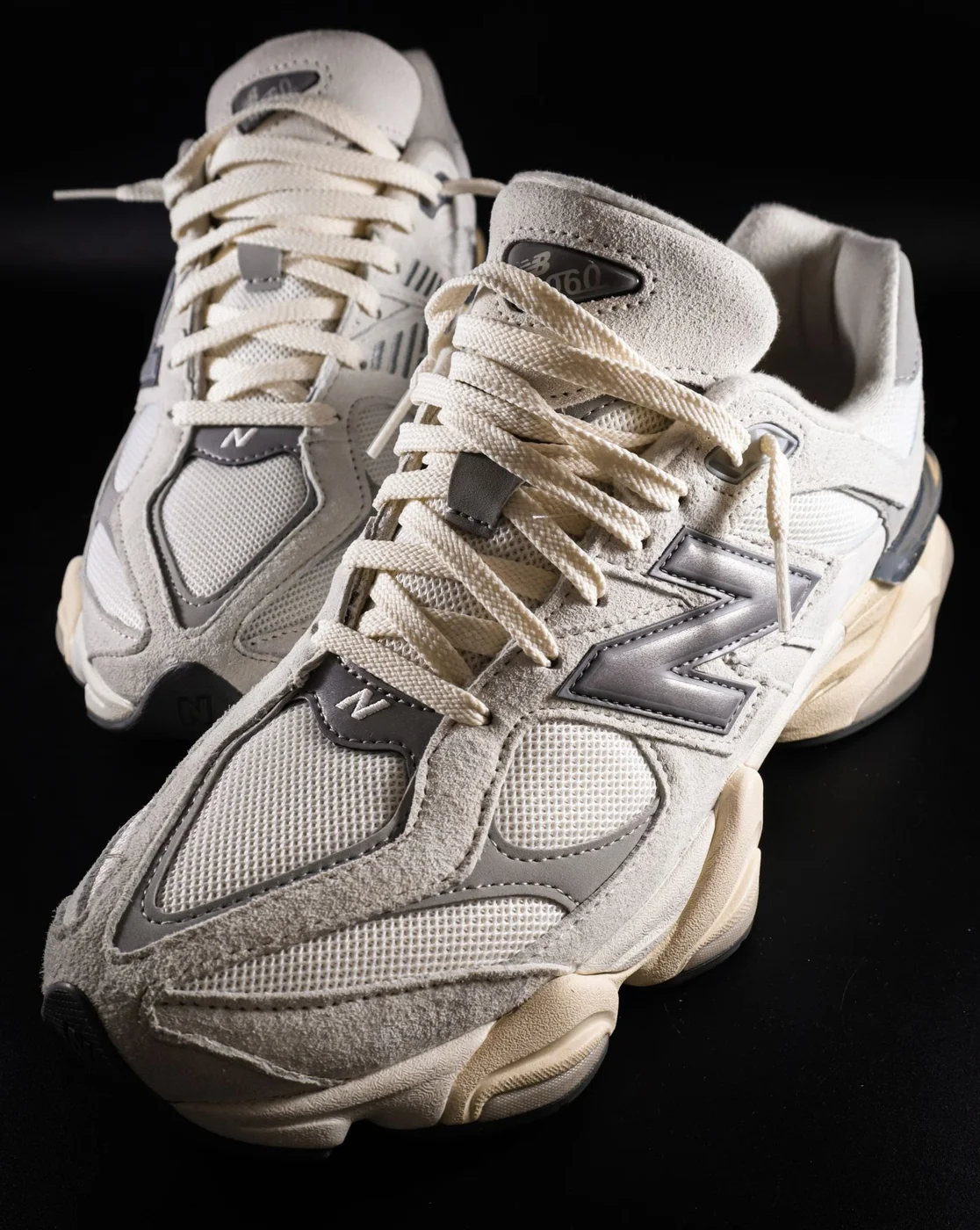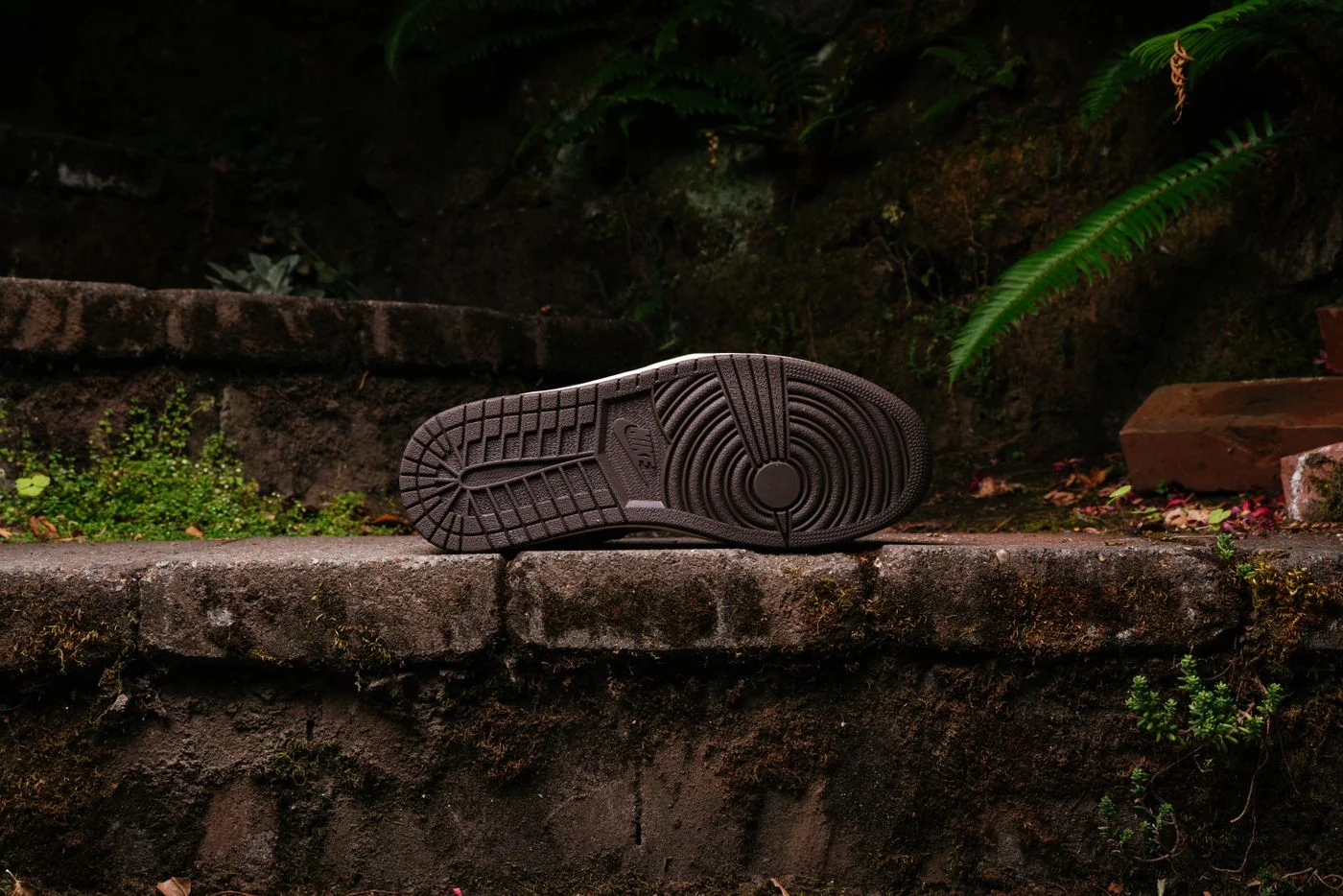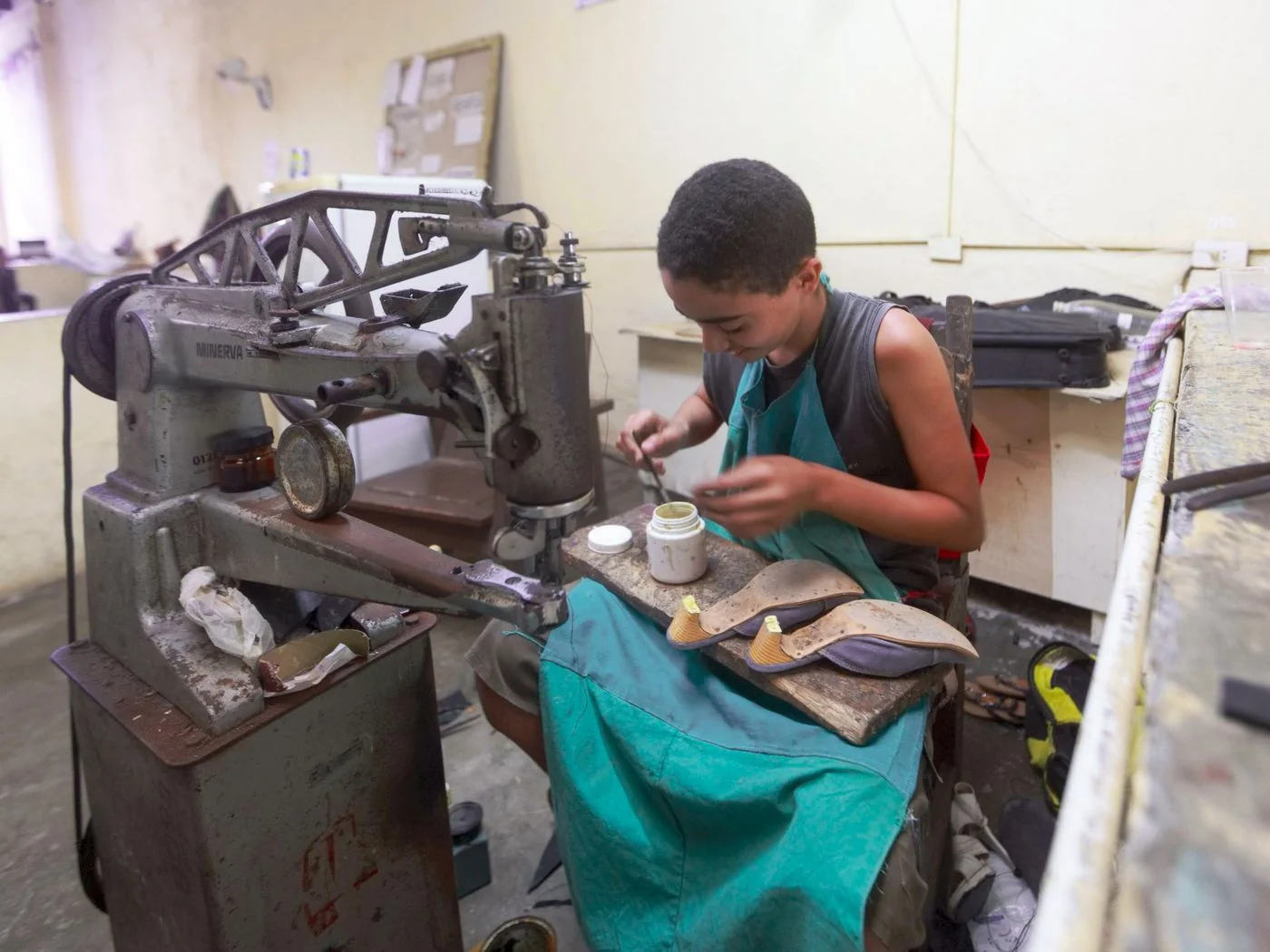
Repairable shoes can make sense when you like the fit enough to keep wearing them and the construction supports the work you may need. The word repairable is still worth unpacking. Replacing a heel tip, fitting a new sole, repairing a lining, and rebuilding a shoe are different jobs with different limits.
Begin with a specific question: what parts of this model can be replaced, by whom, and under what conditions? A maker's general reputation is less useful than information about the pair in front of you. Even brands with established repair programs may exclude some styles.
Visible stitching is not enough
A stitched-looking edge can be decorative or part of several different construction methods. Do not assume that every visible welt-like strip guarantees a future resole. Ask the manufacturer or a qualified repairer to identify the construction if repairability is central to the purchase.
Allen Edmonds' recrafting information provides a useful example of the limits: it says not all of its footwear can be recrafted, and damage to uppers or linings can affect eligibility. The broader lesson is to verify the actual model and condition rather than turning one construction detail into an unlimited repair promise.
Ask what happens when an original sole or component is no longer available. A substitute may change appearance, weight, or feel. That could be acceptable, but it is part of what you are choosing when you plan for long-term use.
Fit should justify the repair plan
A repairable shoe that does not fit well is unlikely to become a favorite simply because it can be serviced. Assess toe room, heel security, and ordinary walking comfort first. Do not buy a tight shoe expecting a future rebuild to change its dimensions in a predictable way.
Consider access to the service. Shipping, turnaround time, and having another pair to wear can be part of the cost. Current repair prices may change, so use a quote for the actual work when the time comes rather than treating today's figure as permanent.
Care also matters. Repair options cannot necessarily reverse every cut, crack, stain, or neglected interior. Follow the maker's instructions and address developing damage before it becomes more extensive when feasible.
Paying more for repairability is most defensible when the shoe fits, the available work is clear, and you expect to use that service. It is a practical feature to verify, not a label that makes every expensive shoe automatically better value.