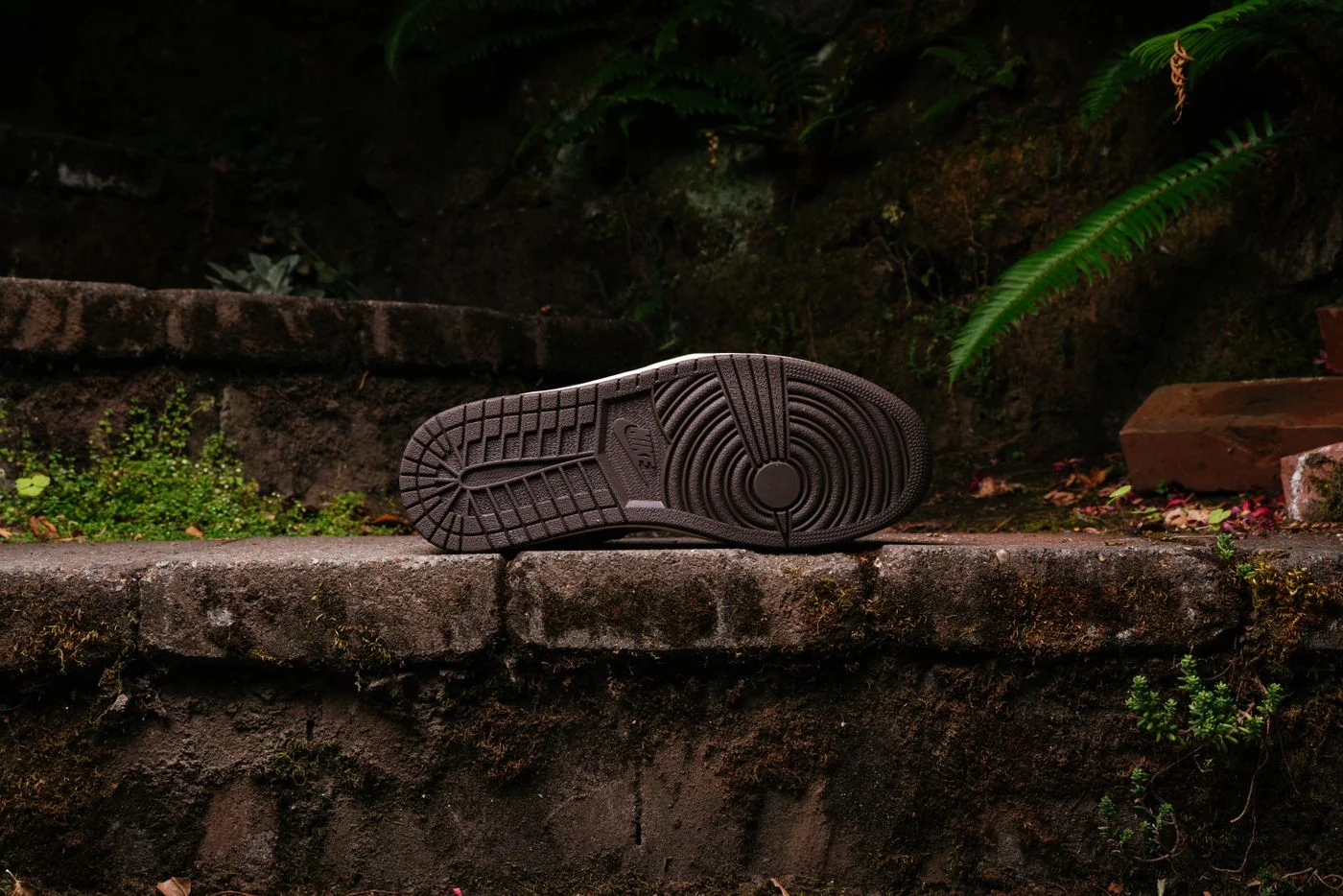
An outsole can look rugged without being suitable for every surface. Deep grooves, a rubber-like feel, or a large contact area are visible features; reliable traction under particular conditions is a performance question. Keep that distinction in mind when comparing shoes for wet sidewalks, smooth floors, or specialized work.
Turn the shoe over and inspect the pattern. Look at where the sole contacts the ground, how the grooves are arranged, and whether the heel differs from the forefoot. These observations can help you understand the design, but they do not tell you how the compound will behave on water, oil, dust, or ice.
Ask for the relevant claim
Read the manufacturer's intended use and any testing information. A claim should relate to the actual model and conditions, not just a general brand reputation. If your workplace requires specific protective footwear or a particular standard, follow that requirement rather than substituting a fashion shoe with a convincing tread.
Avoid unsafe experiments in a store or at home. Deliberately wetting a floor or trying to slide on a hazardous surface is not a sensible way to validate a shoe. A clean indoor fitting can assess comfort and movement; it cannot reproduce every real-world traction condition.
Fit still affects the experience
A sole with an appropriate intended use can be undermined by a shoe that moves excessively around your foot. Check heel security, toe room, and closures while walking normally. The upper and outsole work as one product, so do not let the tread distract from a poor fit.
Inspect wear if buying secondhand or replacing a familiar pair. Unevenly worn areas, smooth patches, cracks, or separation can change the condition from the original design. A photograph of a new outsole does not describe the used pair being offered.
For everyday shopping, use the outsole to generate questions: what surfaces is this shoe intended for, what information supports that claim, and does the whole shoe fit my use? If clear evidence is missing, do not convert a visual impression into a guarantee.
Choose specialized footwear when the setting calls for it, and treat ordinary casual shoes according to their stated role. The strongest shopping decision recognizes what you can see on the sole and what still requires reliable product information.