Seasonal storage is a useful moment to decide what is ready to wear next year and what needs attention now. Putting a garment away with a loose button or an unresolved mark simply moves that task to a less convenient date.
Empty pockets and inspect cuffs, collars, underarms, and hems. Clean each item according to its care instructions, then allow it to dry completely. Thick waistbands, linings, and folded seams deserve a final check before the garment is enclosed.
Separate repair decisions from packing
A small repair may be easier to arrange while the issue is fresh in your mind. Attach a note to an item awaiting work rather than mixing it invisibly into a ready-to-wear stack. If the garment no longer fits your routine, decide whether to keep, pass on, or recycle it through an appropriate local option.
Do not store clothes immediately after an improvised stain treatment. Residue or unresolved dampness can complicate the condition later. Ask an appropriate cleaner about a persistent mark instead of assuming months in a box will improve it.
Choose support for the garment
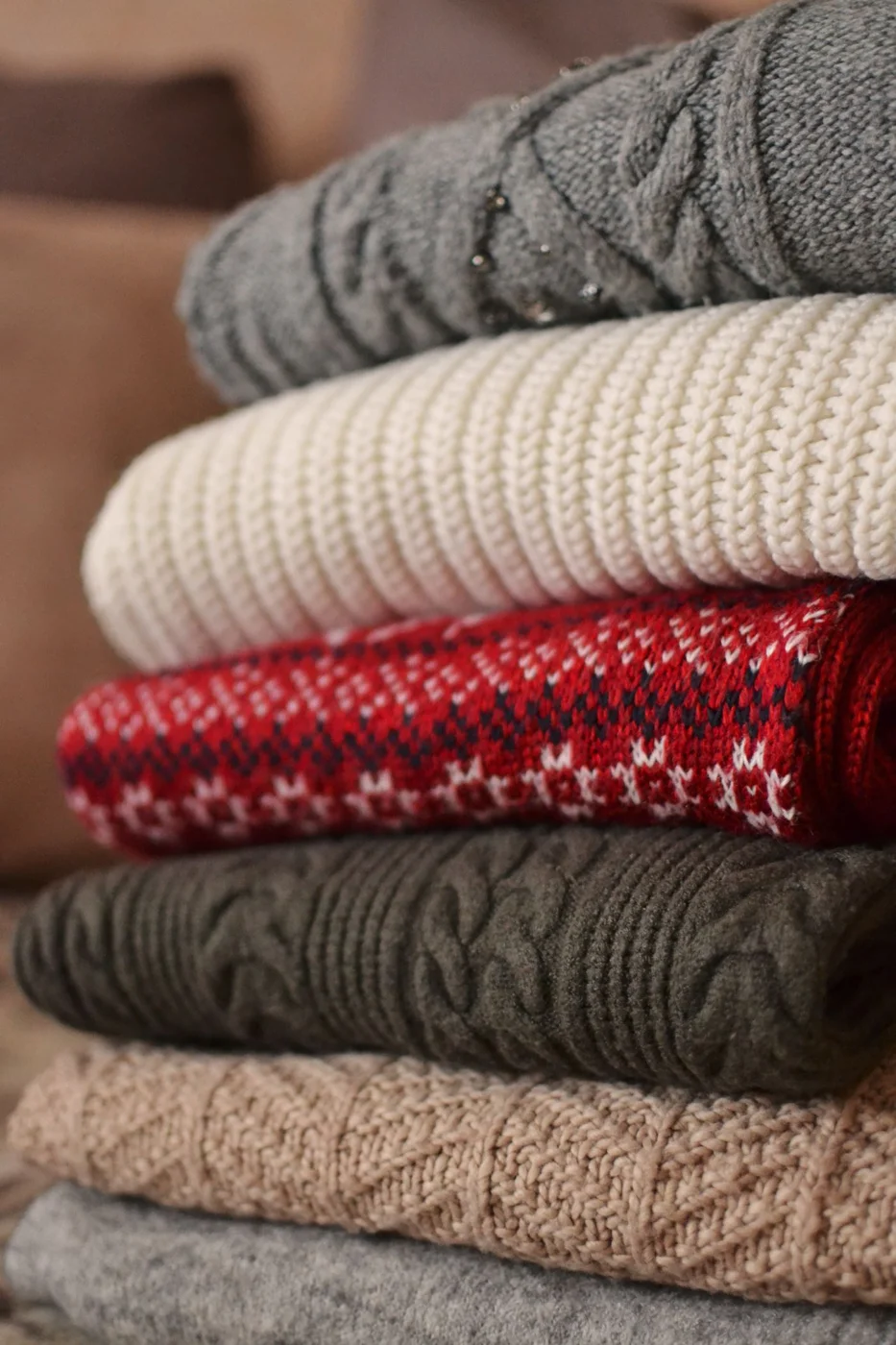
Fold knitwear with enough room that heavy pieces do not compress delicate details. Use suitable hangers for structured garments that need shoulder support. Avoid hanging an item by thin decorative straps unless that is an intended storage method.
Remove detachable belts or heavy accessories where they could pull or press into the cloth. Keep sharp hardware from rubbing against fine fabric. A clean separator can be helpful when unlike surfaces would otherwise touch.
Containers should suit the clothing and the storage environment. Follow material-specific guidance rather than assuming that airtight plastic or an open fabric cover is best for everything. A container cannot correct a persistently damp or overheated location.
Make retrieval simple
Label boxes by useful categories such as coats or warm-weather tops. Avoid writing an exact inventory if you will not maintain it. Place the items you might need during a changeable season where they can be reached without unpacking the whole area.
Leave enough space to inspect stored clothing periodically. If you notice an unusual smell, moisture, or damage, investigate rather than adding a fragrance to conceal it. Follow appropriate product instructions if using any pest-control item; do not place chemicals directly against clothing without guidance.
Good seasonal storage preserves a usable wardrobe and a clear record of unfinished repairs. The measure of success is how easily you can bring the clothes back into ordinary use, not how many pieces fit into the smallest box.