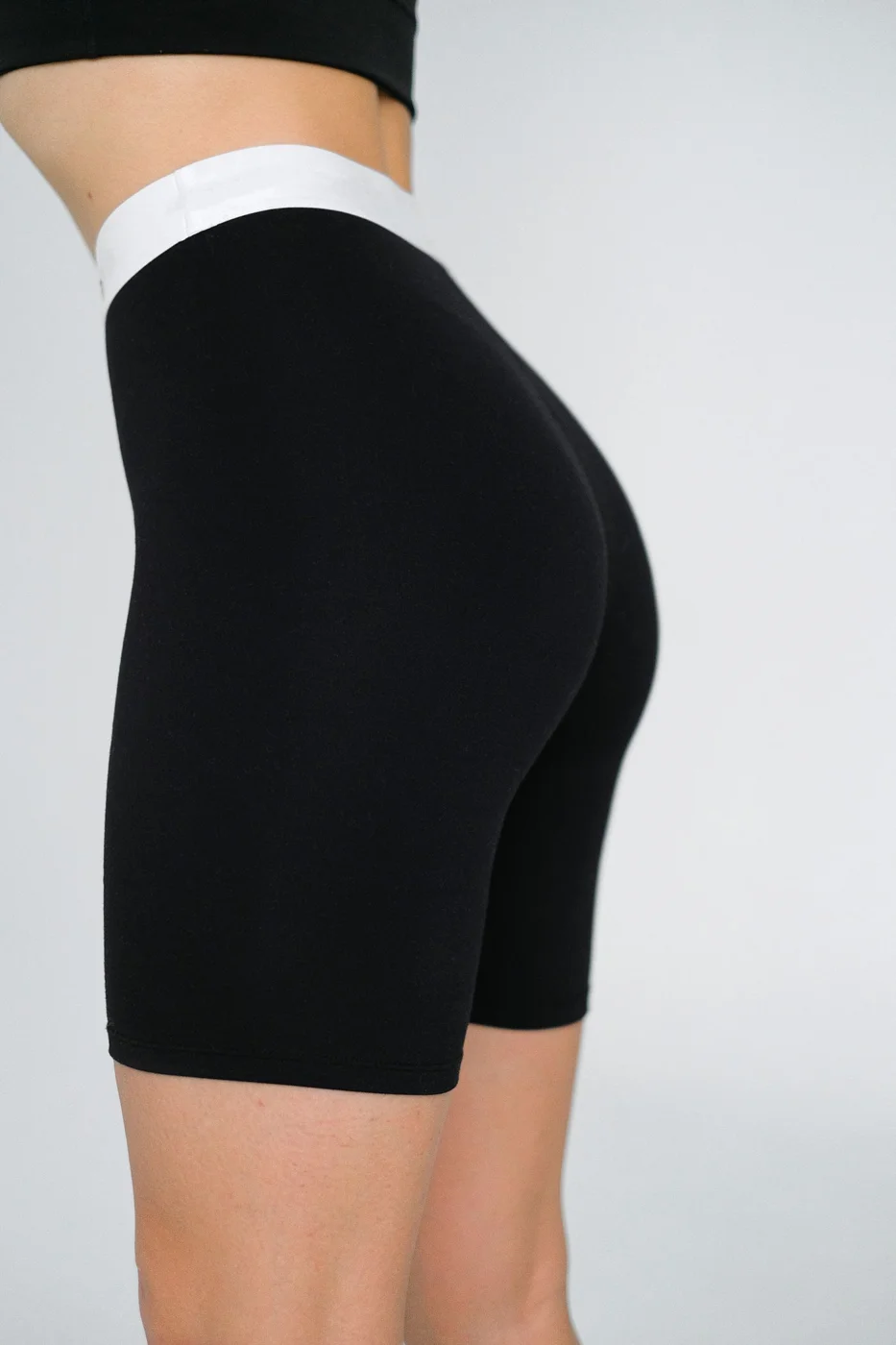
A sports bra size is only the beginning of the comparison. Two bras with the same label can distribute fabric and tension differently, and a support description is not a substitute for trying the garment in motion. Start with the activity and the fit features you need rather than choosing solely by color or a sale banner.
Use the maker's chart for the particular model. Some ranges use letter sizes, some use band and cup combinations, and some offer multiple cup options within a letter size. Converting from an everyday bra by memory can miss those differences. If a measurement falls between options, follow the brand's instructions and treat the result as a starting point.
Check each part independently
The band should stay in its intended position as you move without making comfortable breathing difficult. Raise your arms and lower them. Nike's fit guide uses this movement to check band stability. If it rides upward, compare both size and construction rather than immediately shortening the straps.
Look at the cups or front panel. Check for spilling at the edges, loose folds, or a seam pressing in an uncomfortable place. A compression-style front and a bra with separately shaped cups can feel different even when both are sold for similar activities. Choose based on the fit you experience, not an assumption that one design suits everyone.
Adjustable straps allow changes, but they have a usable range. If they must be tightened to their shortest setting to hold the garment in place, check whether the band or cup fit is the underlying issue. Straps should not need to create painful pressure to compensate for the rest of the bra.
Reproduce a relevant movement
Walk, reach, and make a small controlled movement appropriate to the activity you plan, following store rules. A fitting-room check cannot reproduce an entire workout, but it can reveal obvious shifting, rubbing, or restriction. Stop if the garment causes discomfort rather than treating pain as proof of strong support.
Try the workout top over it too. A racerback, high neckline, or broad strap may show in ways you like or dislike. If removable pads are included, see whether they sit evenly and whether their openings are accessible for care. They should not be the only reason a poorly fitting bra appears smooth.
Closures matter when getting dressed. A pull-on style needs enough room to pass comfortably over the shoulders. A front or back fastening should be manageable without excessive strain and should lie comfortably against the body.
Finally, review the care and return conditions before buying several. Use your own fit experience to decide whether this specific model works. Support marketing, another shopper's recommendation, and a familiar size can help narrow choices, but none replaces checking the band, cup area, and movement together.