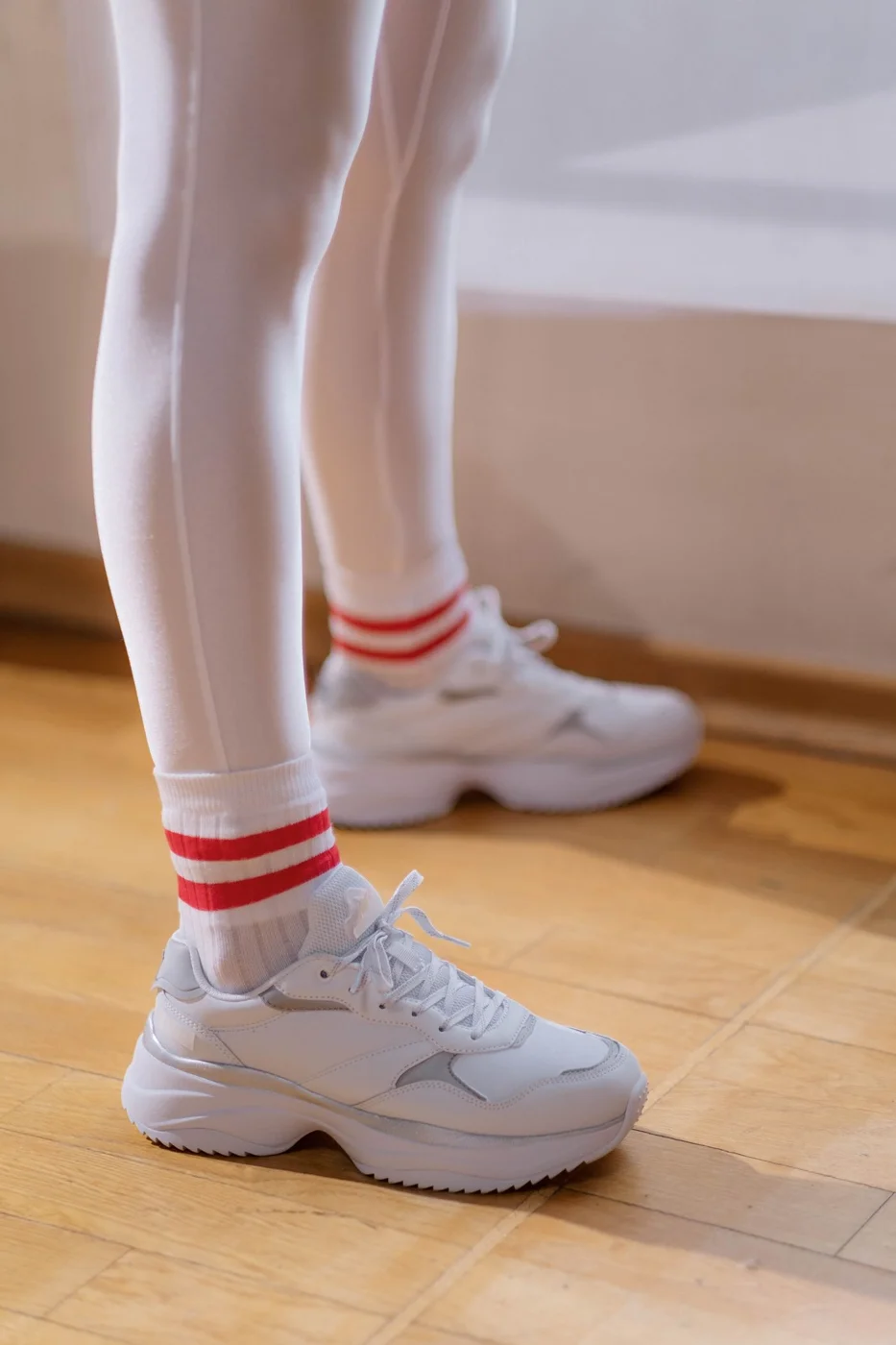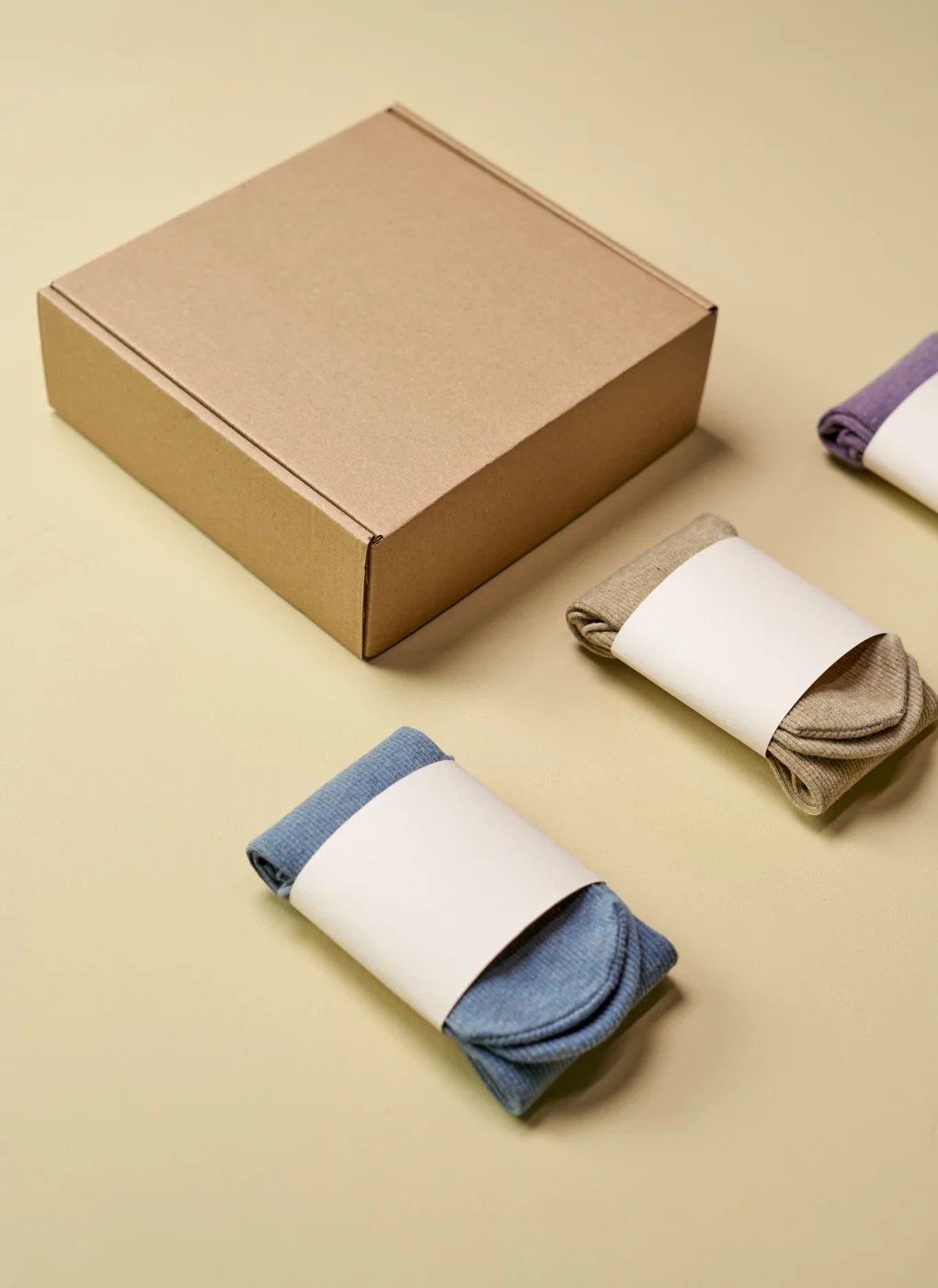
A sock multipack looks economical when every pair is useful. It becomes less attractive if the socks make your shoes tight or disappear beneath the heel after a few steps. Test the thickness and shape you need before committing to a stack of identical pairs.
Start with the shoes, not the sock color. A slim loafer may have little spare interior space, while a roomy boot may comfortably accommodate a thicker sock. The same sock can feel very different in the two. Try it in the footwear it is meant for, with the laces or closures adjusted normally.
Pay attention to where the thickness is placed. Some socks have a cushioned sole with a thinner upper; others are bulky throughout. A thick toe seam can become noticeable even when the rest of the sock feels soft. Smooth the fabric into place and check that it is not folded beneath the toes.
Check the cuff and heel together
Walk and sit for a few minutes. A sock that slides under the heel may be the wrong shape, length, or size for you. A tight cuff can stay up while still being uncomfortable. Do not assume that more grip is automatically better.
Compare the size range with your foot rather than buying the nearest familiar pack. A broad range may work well for some people and leave excess fabric for others. If the heel pocket sits far above or below your heel, another size or construction may fit more consistently.
Consider the laundry routine. Dark, light, wool-blend, and specialty socks may have different care requirements. If the pack's instructions do not fit the way you wash clothes, the initial saving may not be useful. Avoid buying based only on a fiber claim; the knit and fit are just as relevant to comfort.
For an unfamiliar model, one pair or a smaller pack is a sensible trial if available. After wearing and caring for it according to the label, you can judge whether the shape, cuff, and thickness suit your shoes. Buying duplicates then is a more informed decision than assuming every pair in a large pack will become an everyday favorite.