Clothes can stop fitting your routine even when they remain in good condition. A change in work, climate, comfort preferences, or body proportions can leave once-useful pieces untouched. Passing them on starts with understanding that mismatch, rather than assuming every unworn item represents a shopping mistake.
Take one category at a time and try the uncertain pieces. Ask whether the problem is temporary, repairable, or tied to a routine that no longer exists. A missing button is different from a formal jacket you no longer have occasions to wear.
Separate condition from suitability
Inspect seams, closures, fabric wear, and care requirements. An item can be excellent but unsuitable for you, or familiar and comfortable but too damaged to pass on for ordinary wear. Keep those judgments separate so the next step is honest.
If a small repair would return the garment to regular use, compare the repair effort with its likely role. Do not place it indefinitely in a repair pile without deciding when the work will happen. A simple deadline can help distinguish an intention from a realistic plan.
Choose a route that matches the item
For resale, describe the actual condition and provide useful photographs and measurements. The effort of listing, messaging, packing, and shipping belongs in the decision; a low resale value may not justify that process for every piece.
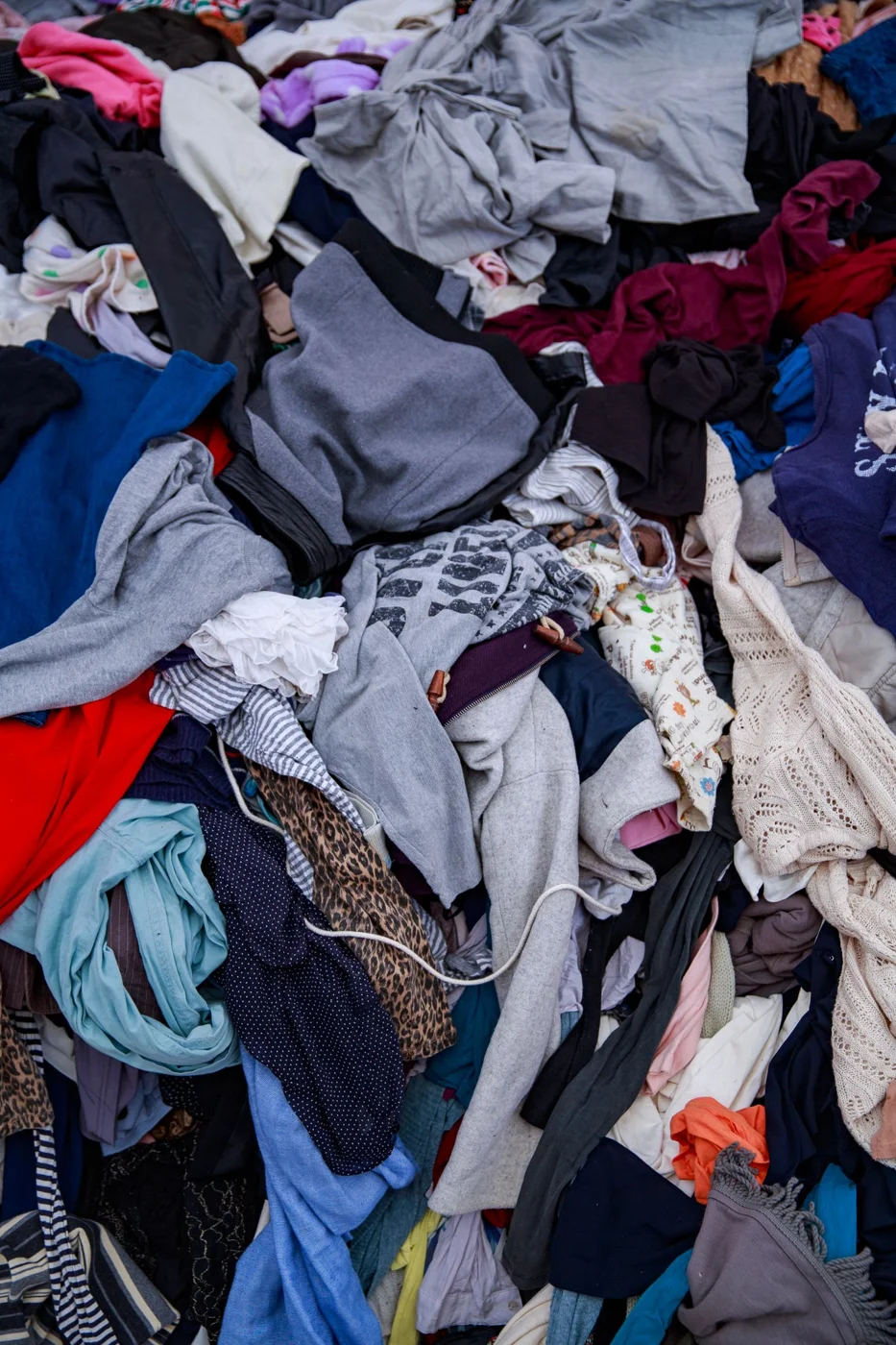
For donation or a clothing exchange, check the receiving organization's current acceptance rules. Clean, wearable items may be welcome, while damaged textiles can require a different route. Do not assume a collection point can use everything simply because it accepts clothing.
Avoid replacing the empty space automatically
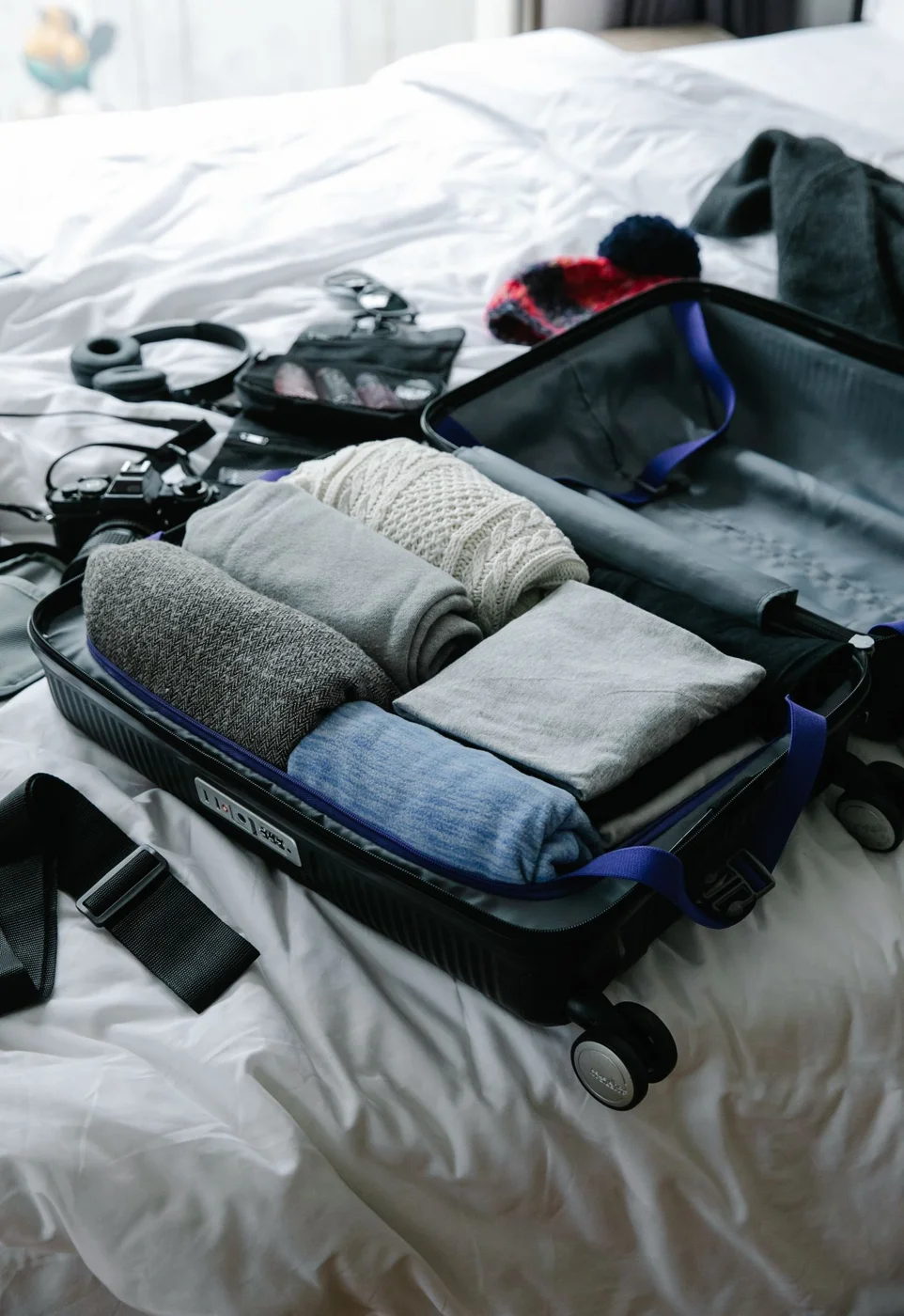
Removing five unsuitable items does not create a need to buy five new ones. Build a few outfits with what remains and identify any actual gap. You may have made the useful clothes easier to see without reducing the number of outfits available.
Record a short lesson if it will help future choices: a fabric you avoid caring for, a neckline you repeatedly skip, or a shoe shape that never suits your routine. Keep the lesson specific rather than declaring an entire category wrong for you.
Passing clothes on can be a way to make the wardrobe more accurate to your present life. The useful outcome is not an impressive discard count, but a clearer set of clothes you can reach for and use.