A mixed-weather day can involve a cool morning, a warm afternoon, and rain during the journey home. Packing an entire second outfit may be unnecessary, but relying on one garment to suit every condition can also be uncomfortable. Identify which change is likely to affect you most.
Think through the schedule and the places where you can change or store clothing. A spare top in a bag is useful only if it can stay clean and dry. An outer layer that you remove at midday needs somewhere to go for the rest of the afternoon.
Pack the part that solves the transition
For a temperature change, an adjustable layer may be enough. For a wet commute followed by an indoor appointment, dry socks or a spare top could matter more. The selection depends on the activity and expected conditions, not a fixed list that everyone must carry.
Try the packed pieces with the outfit you will wear. A thin jacket that fits over a shirt may not fit over a bulky sweater. If the spare garment requires different shoes or underlayers, the supposedly small change can become a much larger packing task.
Separate dry, damp, and used items
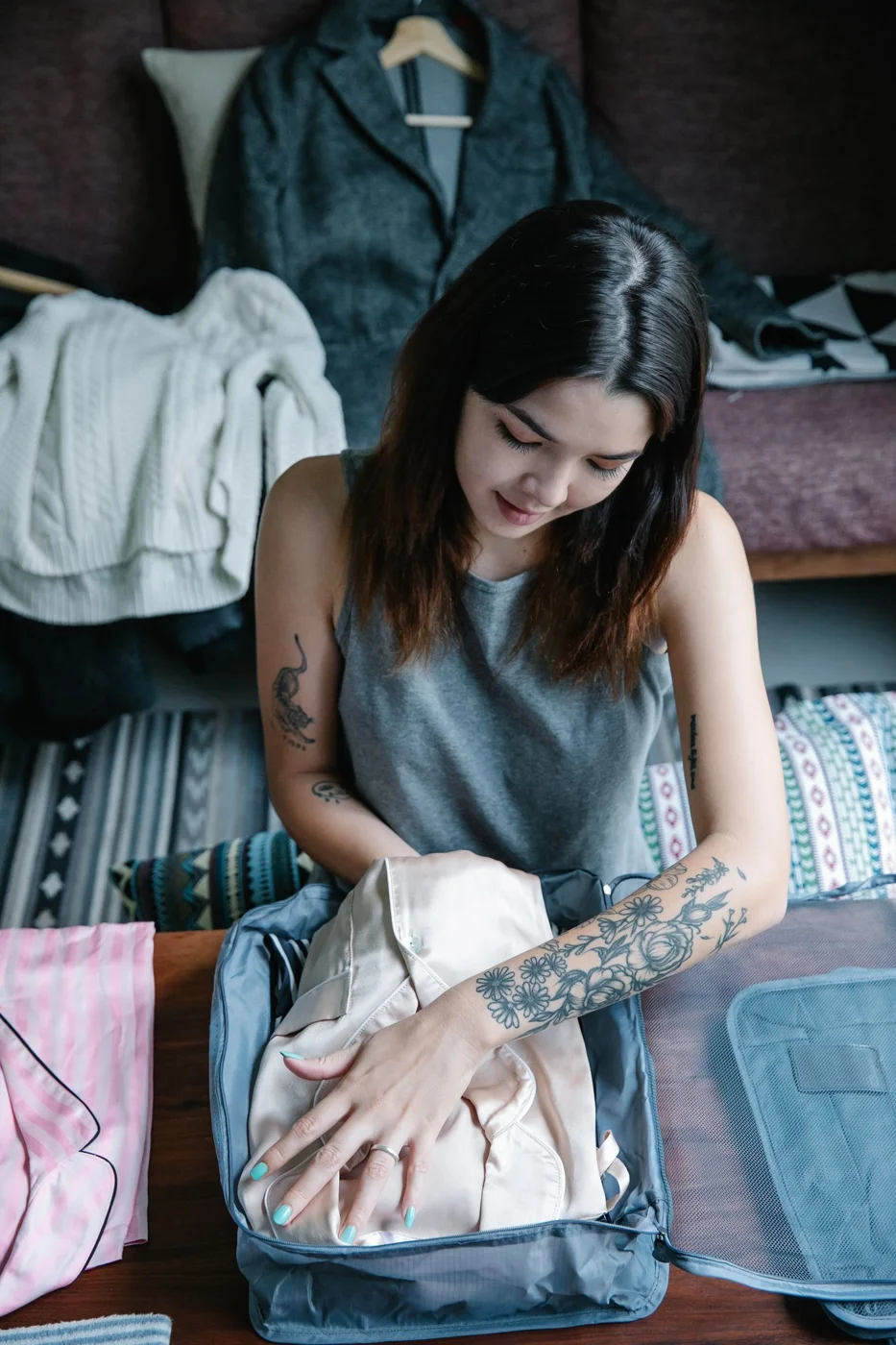
Use an appropriate pouch or bag to keep clean clothing away from food, shoes, and other carried objects. If something becomes damp, separate it for transport and take it out to dry as soon as the situation allows. A sealed bag can protect the rest of your belongings temporarily, but it is not a long-term drying solution.
Choose fabrics and care routines you already understand. A garment advertised as quick-drying may still be inconvenient if it is soaked or has thick seams. Use the actual weather forecast near departure and avoid planning a change around an optimistic drying assumption.
Keep access simple
Place the likely-needed layer where you can reach it without unpacking everything. If a bag will be checked, stored, or left elsewhere, keep the most relevant spare with you. The best packing plan reflects where the clothes will physically be when conditions change.
After the day, note what you used and what was missing. A repeated commute may call for a small reliable kit, while an occasional outing may need a different choice. The aim is enough flexibility for the expected transition without carrying a second wardrobe for every possible forecast.