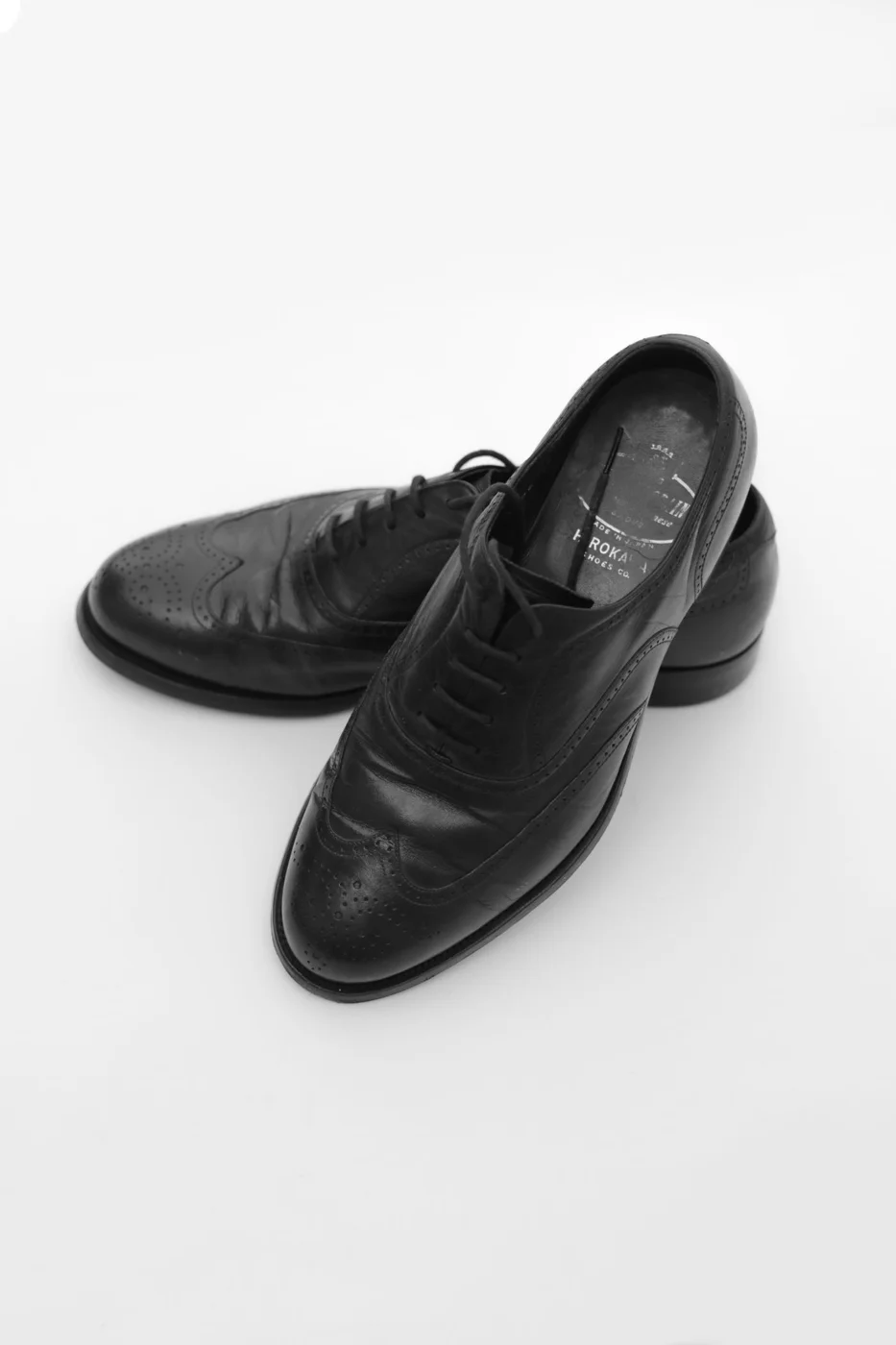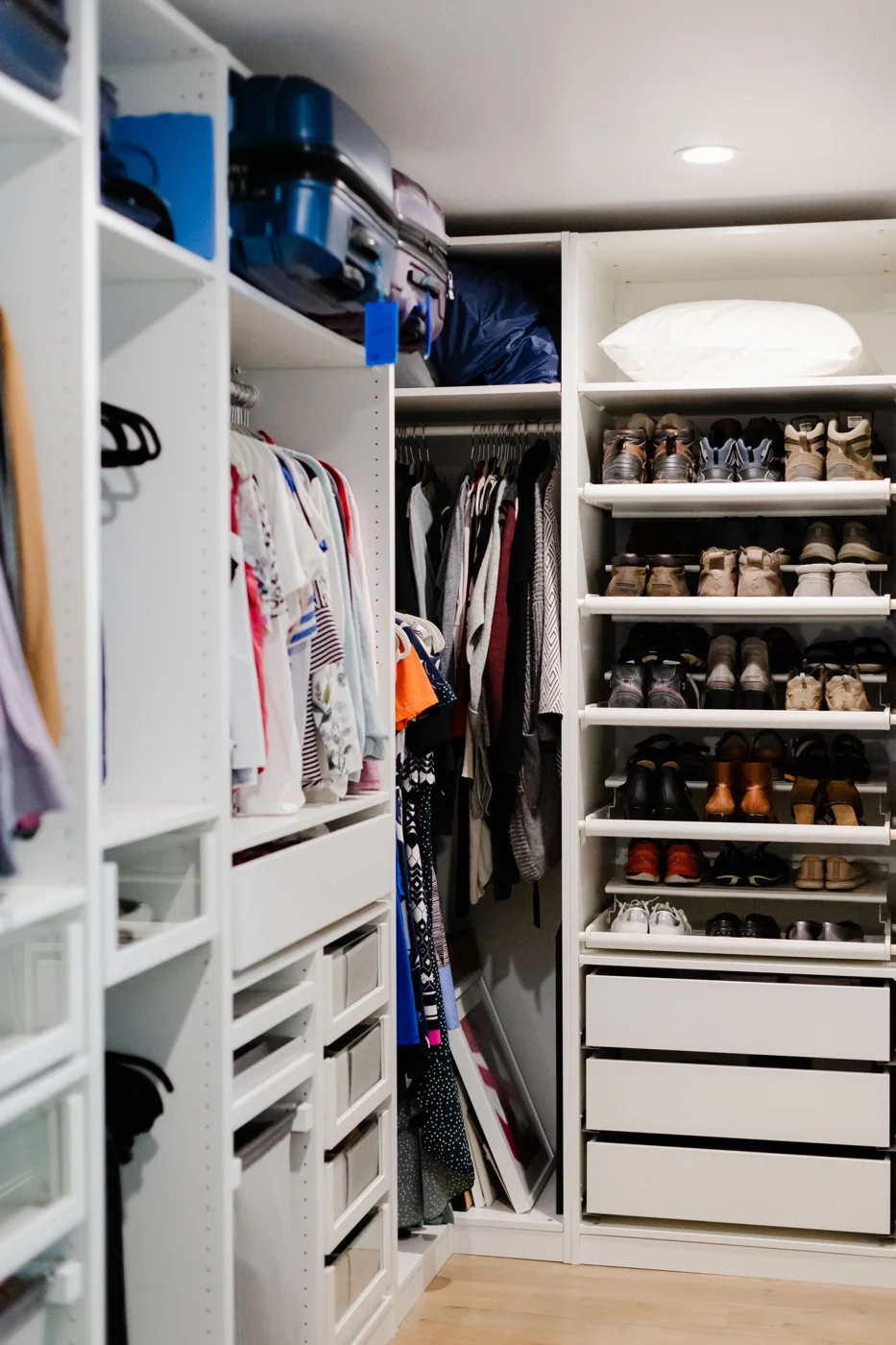
A closet gap and a shopping wish can both be legitimate reasons to consider a purchase, but they describe different situations. A gap is something missing from a routine you actually follow. A wish is something you would enjoy adding. Confusing the two can turn every attractive item into an apparent necessity.
Try building a few outfits for your next ordinary week. Note where you stop because a required piece is unavailable, unsuitable, or worn out. Those are potential gaps. Then make a separate list of items that appeal to you even though the week already has workable outfits.
Describe the interruption
A useful gap statement names the problem: no closed shoe that works with office trousers in wet weather, or no cleanable layer for a chilly commute. A vague statement such as needing better clothes cannot be tested against a product and is easy for advertising to expand.
Check whether the solution is already present but hidden. A garment may need a small repair, a different pairing, or simply more visible storage. If the missing piece is always in the laundry, the issue may be quantity or scheduling rather than a new style category.
Let wishes remain wishes
You can choose a striking jacket because you like it. The decision becomes clearer when you do not claim that it is essential for every occasion. Set a budget for discretionary purchases and compare the item with other things you might enjoy, including waiting.
Ask whether it requires further purchases to become wearable. An appealing piece that needs new shoes, a new bag, and a different underlayer has a larger cost than the tag suggests. That does not automatically rule it out, but it belongs in the wish-list calculation.
Prioritize without making rigid rules
An urgent replacement may deserve attention before an optional addition. A minor gap can wait if you have a workable alternative. Write down the timing and consequence of not buying, rather than assigning importance only from the strength of the desire.
Review the lists after a few weeks. Some wishes fade; some gaps become clearer through repeated use. Remove entries that no longer match your routine. The purpose is to spend with a clear reason, not to eliminate pleasure from clothing or demand that every purchase solve a practical emergency.