Cashmere can feel appealing before you have read a single line of the product description. That immediate softness is useful when deciding whether you enjoy the garment, but it cannot authenticate its composition or predict how long it will last. Treat touch as one observation among several.
Begin with the full fiber label. A cashmere blend may contain a modest proportion of cashmere alongside other fibers. That is not inherently a problem, but it should be clear what you are paying for. The FTC's cashmere guidance emphasizes accurate fiber-content disclosure; a large cashmere word on a hangtag should not replace the detailed percentages.
Compare like garments
A very fine cashmere T-shirt and a thick cable-knit sweater are different products. Comparing only their prices or softness leaves out how much material and construction each contains. Match the type, weight, dimensions, and intended use before deciding that one is better value.
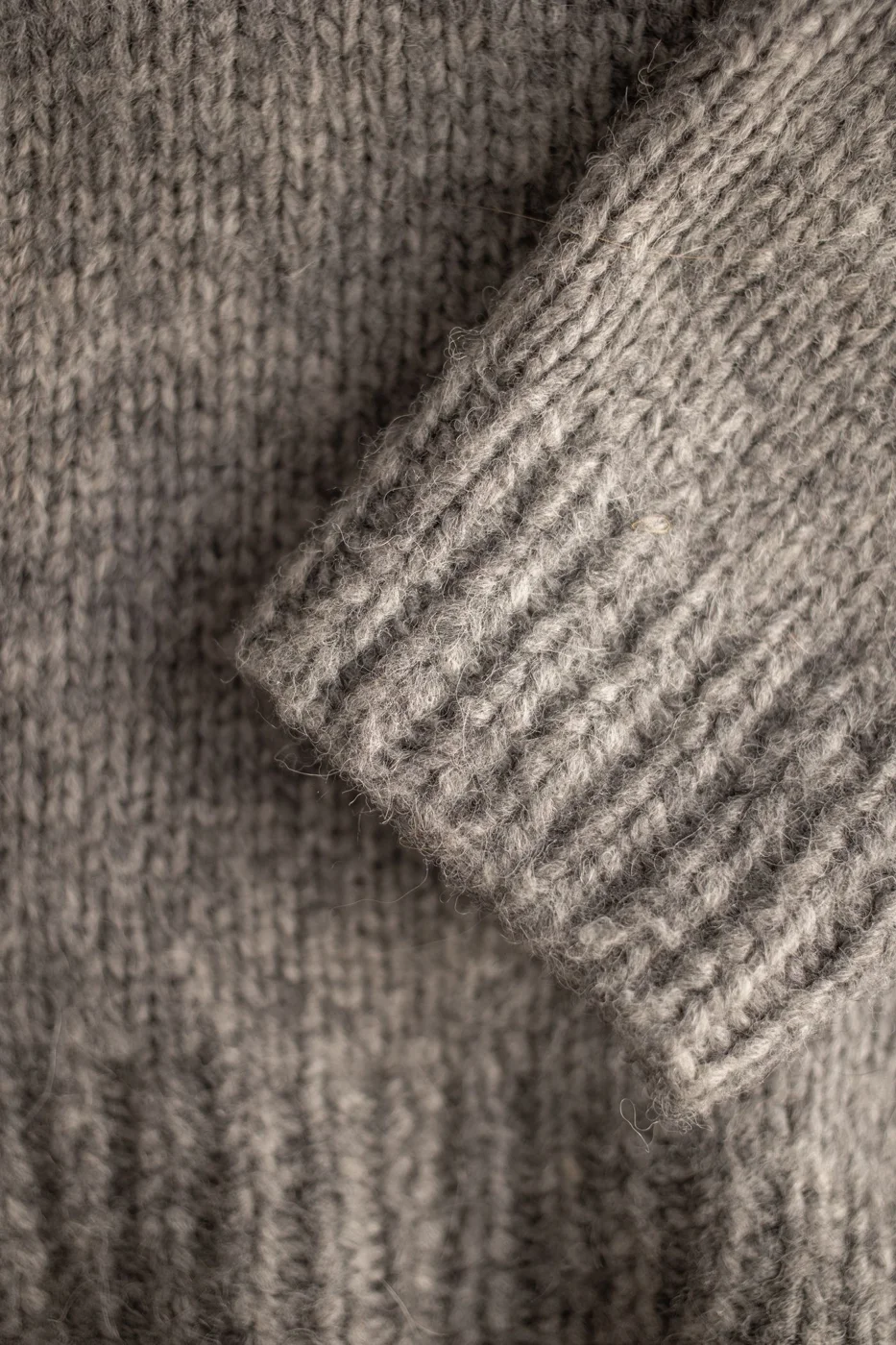
Check whether the fabric looks even in ordinary light. Intentional stitch patterns and variations in yarn are different from a localized thin area or damage. Inspect the neckline, cuffs, and seams where the garment will move most often. Do this gently; aggressive rubbing or pulling is not an appropriate store test.
Try the piece over the layer you intend to wear. A sweater can be beautifully soft and still fit poorly at the shoulders or arms. If it pulls across the chest, sizing up may change the rest of the proportions, so compare the whole silhouette rather than concentrating on one tight point.
Be cautious with quick authenticity tests
Internet suggestions involving burning fibers, soaking a sample, or judging smell are not suitable ways to evaluate a garment you are buying. They can damage the item and do not replace reliable composition information. If authenticity is central to an expensive purchase, buy from a seller that provides clear documentation and a usable way to resolve discrepancies.
The label itself is evidence provided by the seller or manufacturer, not a personal laboratory result. A shopper should not claim to have verified fiber composition merely because the fabric felt right. Keep receipts and product details, particularly for an unfamiliar retailer or a resale listing.
Expect maintenance without promising a lifespan
Surface pilling can occur in knitwear, including cashmere. Its appearance depends on the yarn, construction, friction, and use. A new garment's softness cannot guarantee that it will remain unchanged. If the retailer makes a specific performance claim, look for what supports it.
Read the care instructions and consider the space needed to dry or store the piece. If the routine is more demanding than you want, a lower-priced blend or another material may be a better fit for your wardrobe. The desirable option is the one you will actually care for and wear.
For secondhand cashmere, ask for clear photographs of the underarms, cuffs, seams, and any repairs. Request measurements rather than relying on the original size label, since the current garment is what must fit.
A good purchasing decision combines transparent composition, appropriate fit, sound visible construction, and a price you can justify for the use ahead. Softness can help you choose between otherwise suitable pieces, but it should not be asked to prove everything else.