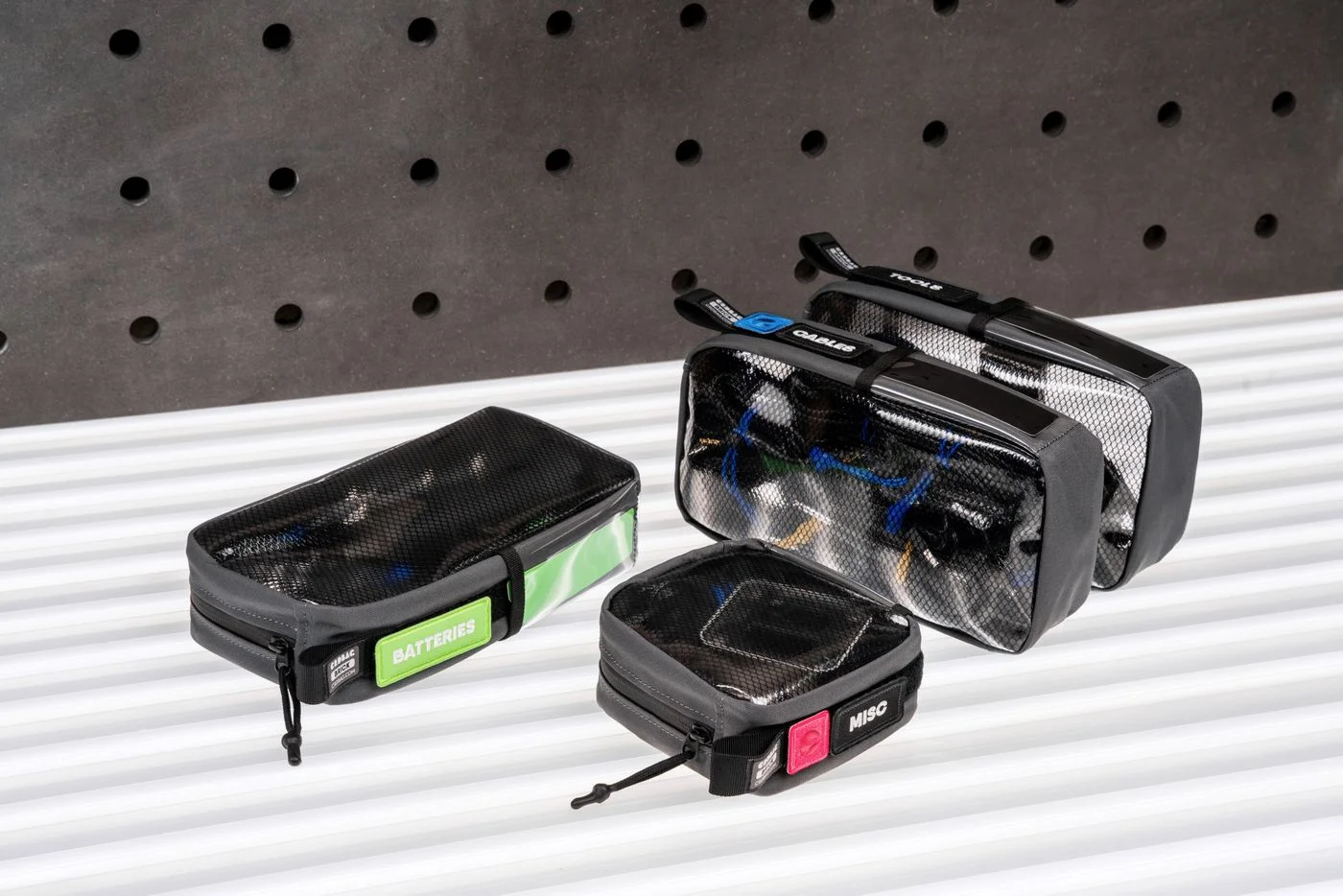
A bag organizer adds structure by using some of the space it is meant to organize. Its walls, base, and pockets have thickness, and a rigid insert can prevent a soft bag from flexing around larger objects. Before buying one, name the problem you want to solve.
If keys disappear below a scarf, a single small pouch or tether may be enough. If the bag collapses around documents, a structured insert might be more useful. Buying an organizer because it has many compartments can create a new problem: none of those compartments fits the objects you carry.
Measure the inside at its narrowest point
Compare the insert with the bag's internal base, not its widest exterior measurement. Allow for tapering sides and the space required to slide the organizer through the opening. A soft bag may tolerate some flexibility, but a tightly wedged insert can distort the body or pull at seams.
Check height too. An insert that rises above the bag's zipper or flap may block the closure. Low side pockets can remain accessible while taller partitions may hide the original interior pockets behind them.
Pack the organizer outside the bag first. Then place it inside and assess what room remains. A bottle, lunch container, and glasses case may each fit separately yet compete for the same space when every pocket is filled.
Added weight and different shapes
Felt, foam, and rigid panels can add noticeable mass. If you chose a light tote to reduce what you carry, weigh that tradeoff before adding a heavily structured insert. A removable base or fewer pockets may provide sufficient order.
The insert can also change the bag's appearance. A relaxed rounded tote may become boxy, while a structured handbag may look stretched around the corners. Decide whether that is an effect you want rather than treating stiffness as an automatic improvement.
If you move the organizer between bags, compare all the relevant interiors. A transferable core of essentials can be convenient, but it should not force every bag to accept the same shape. Keep occasional bulky objects outside the insert when that gives a better fit.
The best organizer disappears into the routine: you know where things are, can reach them, and can still close the bag comfortably. If it requires constant rearrangement, simplify the divisions before buying another accessory to organize the first one.