A replacement watch strap has to fit two things: the watch and your wrist. A listing that matches your wrist circumference may still have the wrong attachment width, while a compatible width can come with pieces too short for a comfortable fastening. Check these dimensions separately.
Begin with the watch maker's model information. Some watches use standard-looking lugs, others use integrated or proprietary attachments. A familiar brand name or a roughly similar case shape is not enough to establish compatibility.
Width where the strap meets the case
For a conventional lug arrangement, the relevant width is the clear distance between the lugs at the attachment point. Use the maker's specification where available. If you measure it yourself, work carefully and avoid scratching the case. Do not force a strap that is slightly too wide into place or use a narrow one that leaves an unintended gap.
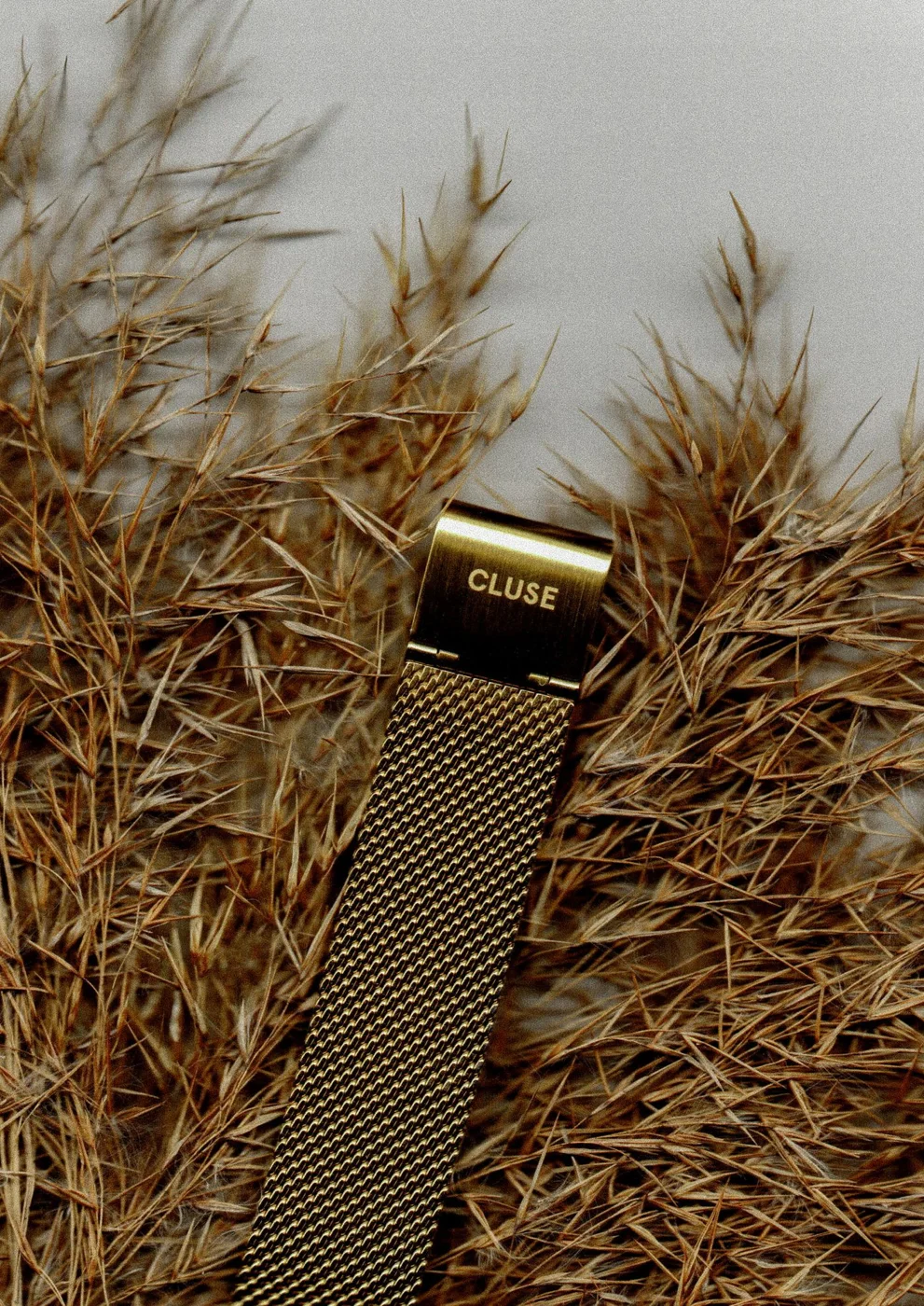
The buckle end may be a different width from the case end. This matters if you plan to reuse an existing buckle. Check both measurements, along with the fastening type, rather than assuming a strap tapers to a standard size.
Spring bars, quick-release fittings, and adapters need to match the intended construction. If removal or fitting is unfamiliar, a watch shop can help. An incorrect attachment can allow the watch to fall, so a cosmetic match is not sufficient.
Length around the wrist
Strap length is often given as two separate pieces, excluding the buckle. The watch case itself also contributes to the circumference. Compare the new strap with one that fits the same watch comfortably, noting which hole you use and how much tail remains.
Try to retain adjustment in both directions. If your everyday setting is the final hole, you have little room for a different wearing preference or clothing layer. A long tail should fit through the keepers without folding awkwardly or extending far beyond them.
For a continuous fabric strap, the route under the case and the extra fold can affect the total length needed. A deployment clasp or metal bracelet uses a different adjustment method again. Read the instructions for the exact system.
Daily contact and care
Inspect the underside, seams, and buckle edges. The surface touching your wrist may differ from the decorative top. A thick strap can make a small watch sit higher, while a stiff one may not curve comfortably around a smaller wrist.
Do not infer water suitability from the watch's own rating. A leather, fabric, or coated replacement strap has its own care requirements. Check how the maker says to clean and dry it, especially if you intend to wear it during exercise.
After fitting, gently check that the attachment is seated as intended before normal use. Avoid improvised fixes for a loose pin or incompatible adapter. A successful replacement is secure at the case, adjustable around the wrist, and straightforward to maintain in the situations where you wear the watch.