An outfit that works on Monday can work again another day. Repetition is not a wardrobe defect, and it does not automatically require buying several copies of every piece. The more useful question is how often you want to wear the combination and what happens between wears.
Think about cleaning, weather, and the level of wear each item receives. A jacket may be available for several combinations while a next-to-skin top needs cleaning sooner. The bottleneck might be one shirt rather than the whole outfit.
Identify the piece that needs a backup
If you repeatedly wait for one garment to come out of the wash, another suitable version could help. But first check whether you already own a piece that fills the same role. A different shirt that works with the same trousers may give you the needed rotation without duplicating the entire look.
When buying a duplicate, confirm that it is truly the same specification. A familiar style name can return with different fabric, length, or sizing. Try the new item and read the care label rather than assuming your older favorite guarantees the fit.
Repeat the formula, not necessarily every item
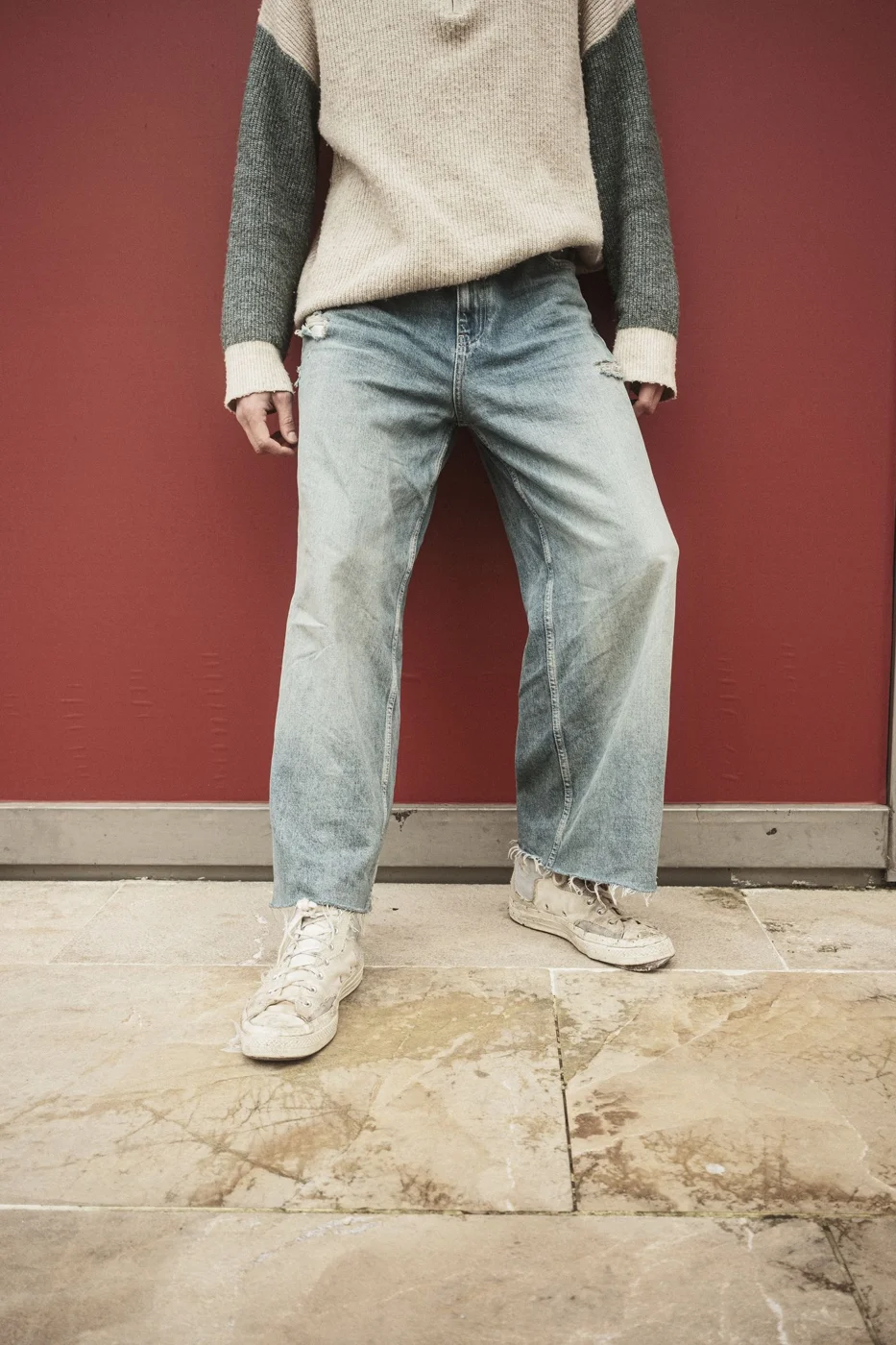
You may like the relationship between a loose shirt, straight trousers, and a simple shoe. That formula can work with several existing pieces without requiring identical colors or products. Try the combinations and keep the ones that feel comfortable in use.
Small changes are optional. A different layer or accessory can suit a temperature change or occasion, but you do not need to disguise the fact that an outfit repeats. If the original combination still serves the day, wearing it again is already a complete decision.
Watch for overbuying a favorite
A new favorite can make several colors feel sensible at once. Give the first piece time to prove its fit, care behavior, and place in your routine. A garment that is appealing on the first try-on may become less useful after laundering or when the weather changes.
Keep a backup purchase proportionate to the actual use. Two frequently worn shirts can be helpful; a drawer of identical shirts may tie up space and money while your preferences shift. Repetition should reduce decisions and unnecessary shopping, not become another reason to multiply the wardrobe.