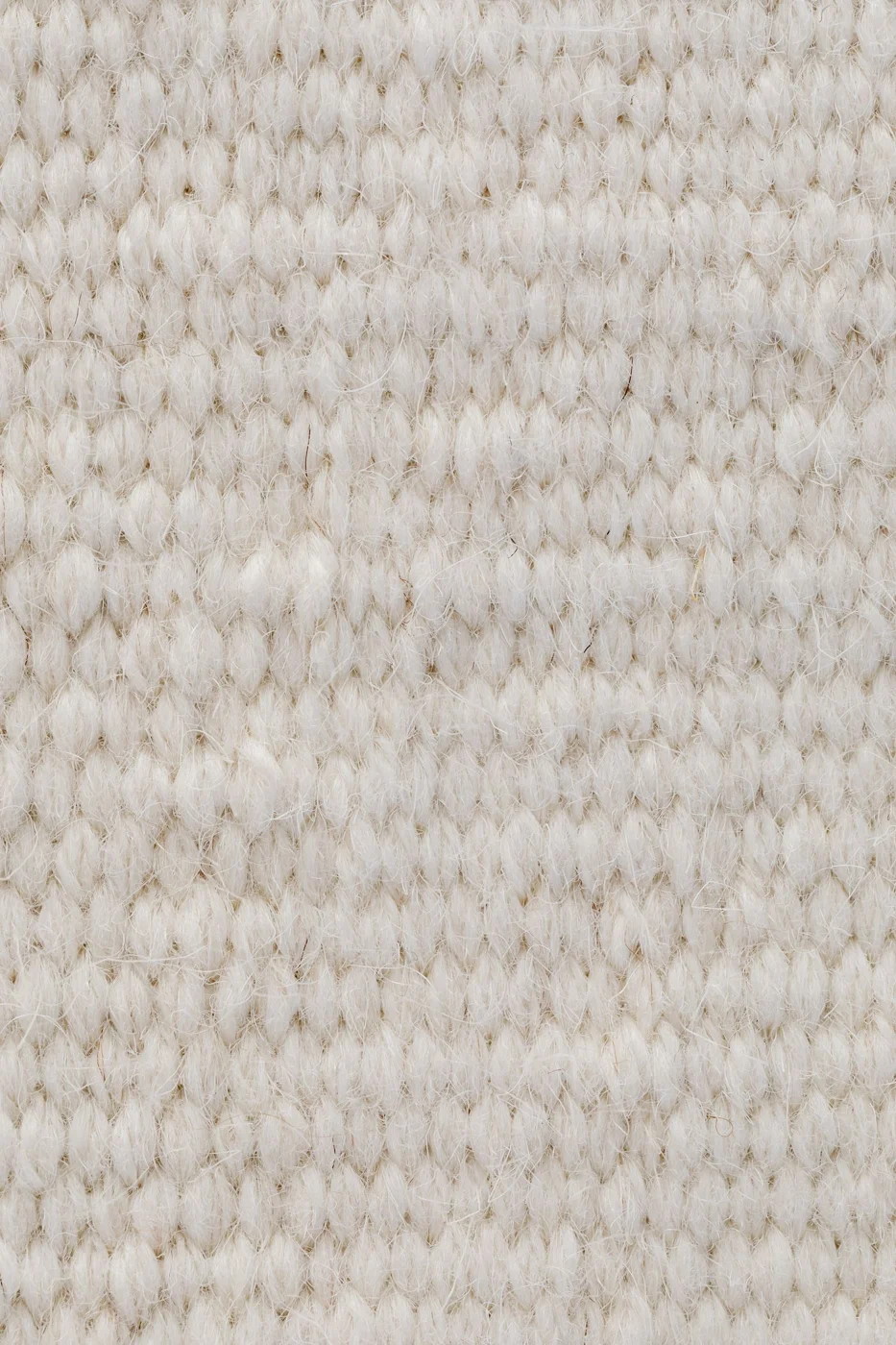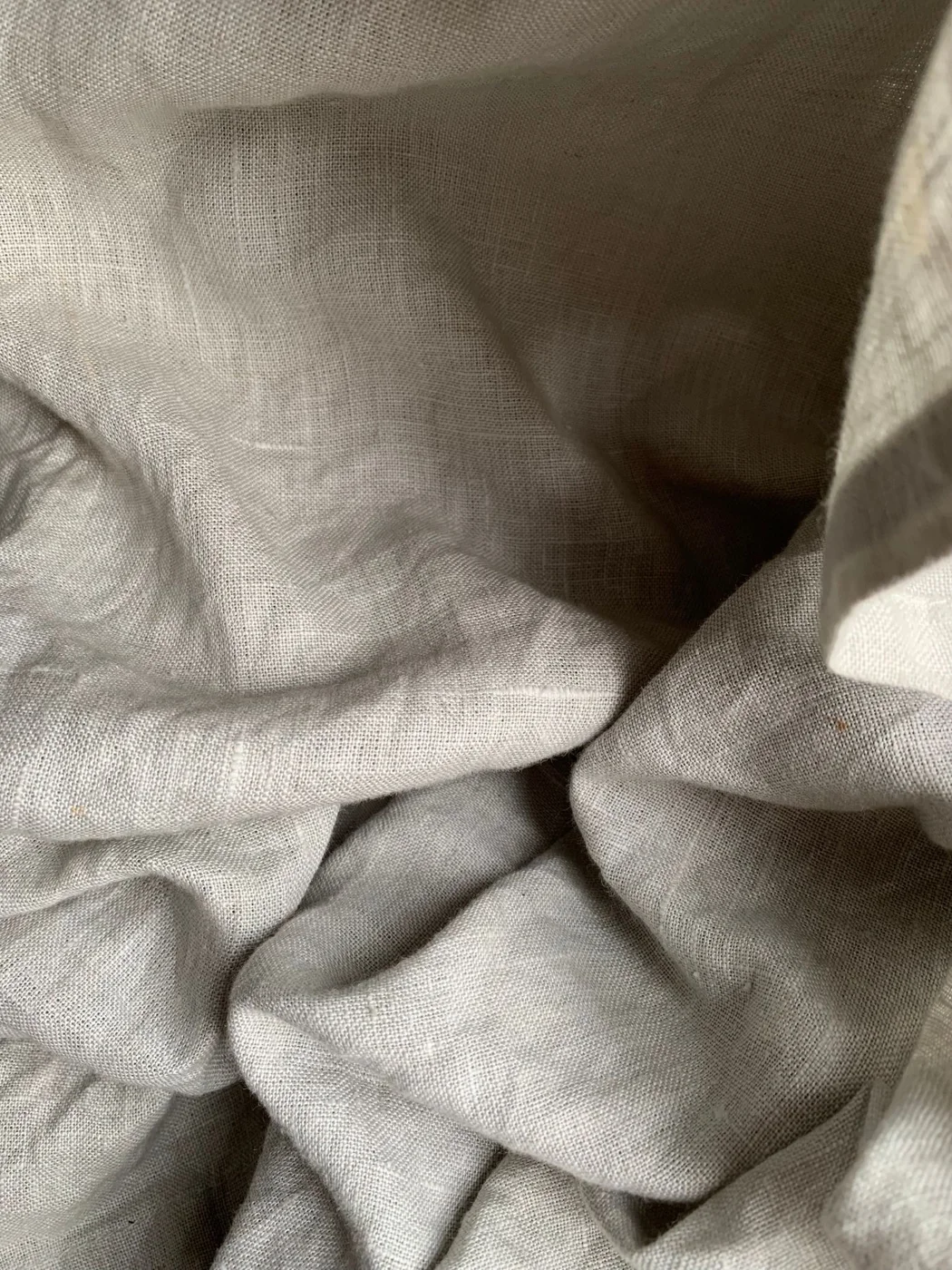
Linen clothing often shows creases during ordinary sitting, bending, and packing. If you like a relaxed surface, that can be part of its appeal. If you need a sharply pressed appearance throughout a long day, it is worth considering how much maintenance you are willing to do.
Do not judge only from a freshly steamed product photograph. Look at how the garment behaves during a permitted try-on. Sit briefly, bend your arms, and examine the areas that fold. This will not predict every future crease, but it gives a more useful impression than viewing the item untouched on a hanger.
Place the garment in a real day
A linen shirt worn open over a T-shirt has a different job from trousers for a formal meeting. For the shirt, a rumpled surface may feel natural. For the trousers, you may care more about how the knees, lap, and seat look after commuting.
Consider your storage and laundry routine. If you air-dry clothes and have little time for pressing, choose a shape whose appearance you enjoy in that state. Buying a garment that looks acceptable only after a level of care you rarely perform is unlikely to be satisfying.
Blends change the comparison
A linen blend may feel or hang differently from an all-linen fabric, but the percentage alone does not promise wrinkle resistance. Compare the actual construction and finish. A densely woven blend and a loose lightweight blend can behave quite differently even when their labels look similar.
Look at opacity, seams, and lining as well. A fabric's relaxed texture should not distract from whether the garment provides the coverage and movement you want. Trousers that pull at the hip will not become a good fit merely because the creases look intentional.
Read the care label before attempting to create or remove a particular finish. Washing, drying, and ironing requirements depend on the complete garment. Avoid assuming that aggressive heat will permanently solve ordinary creasing.
One useful test is to ask whether you would still choose the piece if it looked slightly rumpled by lunchtime. If the answer is yes, judge the fit and construction normally. If it is no, a different fabric or a less crease-sensitive garment may be the better purchase. Accepting a material's everyday behavior is more productive than buying it in the hope that your routine will prevent it entirely.