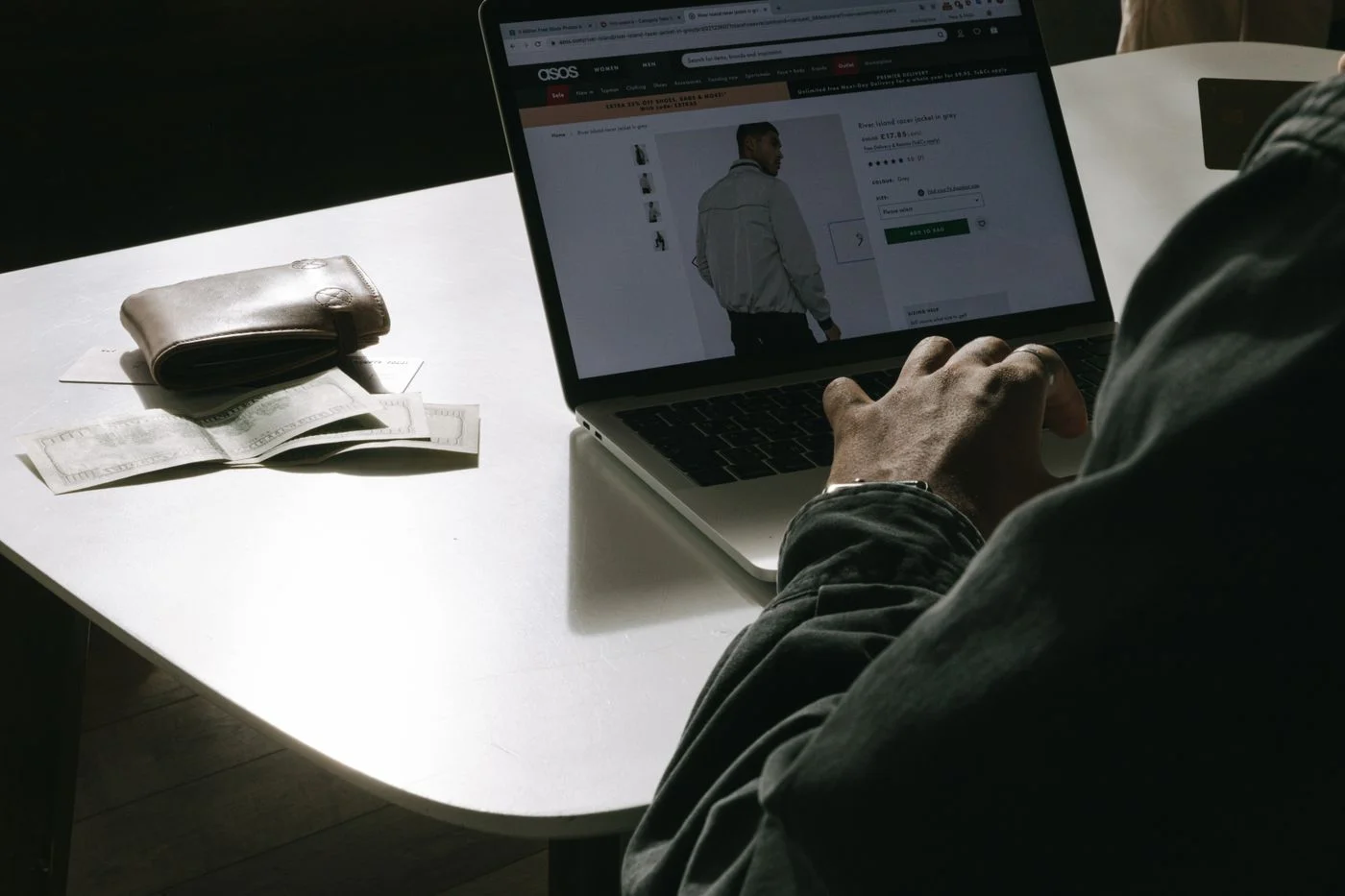
An order confirmation is useful, but it may not preserve every detail that mattered when you bought the item. Product pages change, selected variants can be hard to reconstruct, and return terms may sit on a separate page. A simple record made at purchase can save time later.
You do not need a complicated spreadsheet for every shirt. A folder, note, or email label can work if you can find the relevant information quickly. Organize by retailer and order date, with the order number included.
Save the decision details
Keep the exact product name, size, color, and quantity. For a marketplace purchase, include the seller, not just the platform. Save the amount paid and the delivery service selected, including any discount that appears on the receipt.
Record the expected dispatch or delivery information using the seller's own wording. An estimated shipping date is not the same as an estimated arrival date. Preserving that distinction avoids confusion if you later contact support.
If a feature was essential, such as a removable strap or a particular material composition, save the relevant product description. A screenshot or downloaded page can help, provided it shows enough context to identify the product.
Add the return action date
Read whether the policy requires a request, dispatch, or receipt by the deadline. Put the relevant date in a calendar if you need a reminder. For a gift, consider when the recipient will actually open it.
Keep any support clarification with the order record. A conversation about a size measurement or final-sale condition is easier to use when it is attached to the same purchase rather than scattered across messages.
Avoid saving full payment-card information or passwords in an ordinary shopping note. The order number and receipt are usually more useful than sensitive credentials. Store records in a way appropriate to the personal information they contain.
Close the record when the decision is made
When the item arrives, check it against the order and complete the permitted try-on before the deadline. Note whether you kept it, returned it, or exchanged it. Retain tracking and the return confirmation until the process is resolved.
If a refund is expected, compare the received amount with the stated calculation, including any known deductions. Ask the seller about a discrepancy using the record rather than reconstructing the transaction from memory.
A useful shopping record is small enough to maintain and complete enough to answer the next question. It turns an online purchase into a clear sequence of selected item, agreed terms, delivery, and final decision.