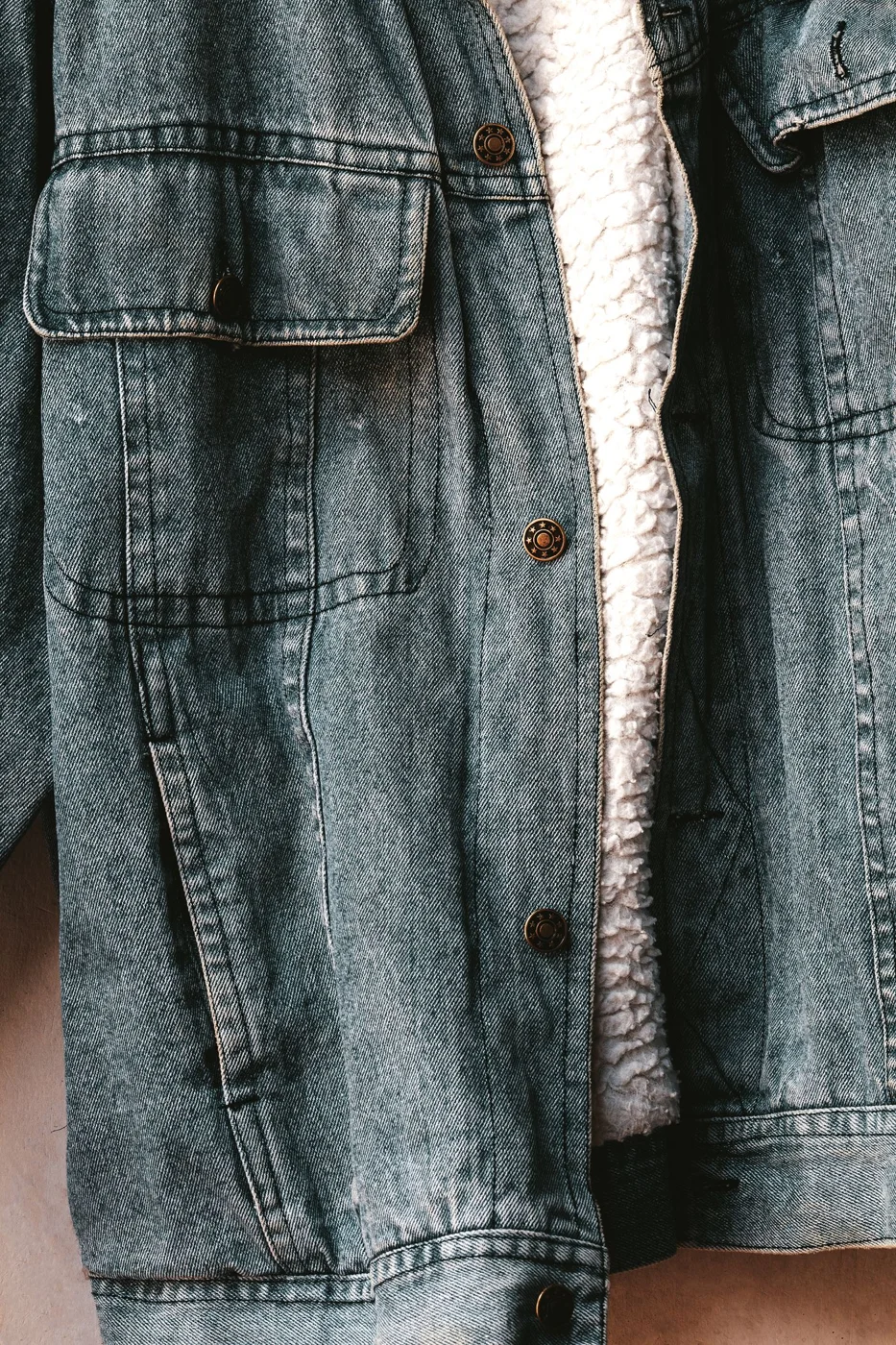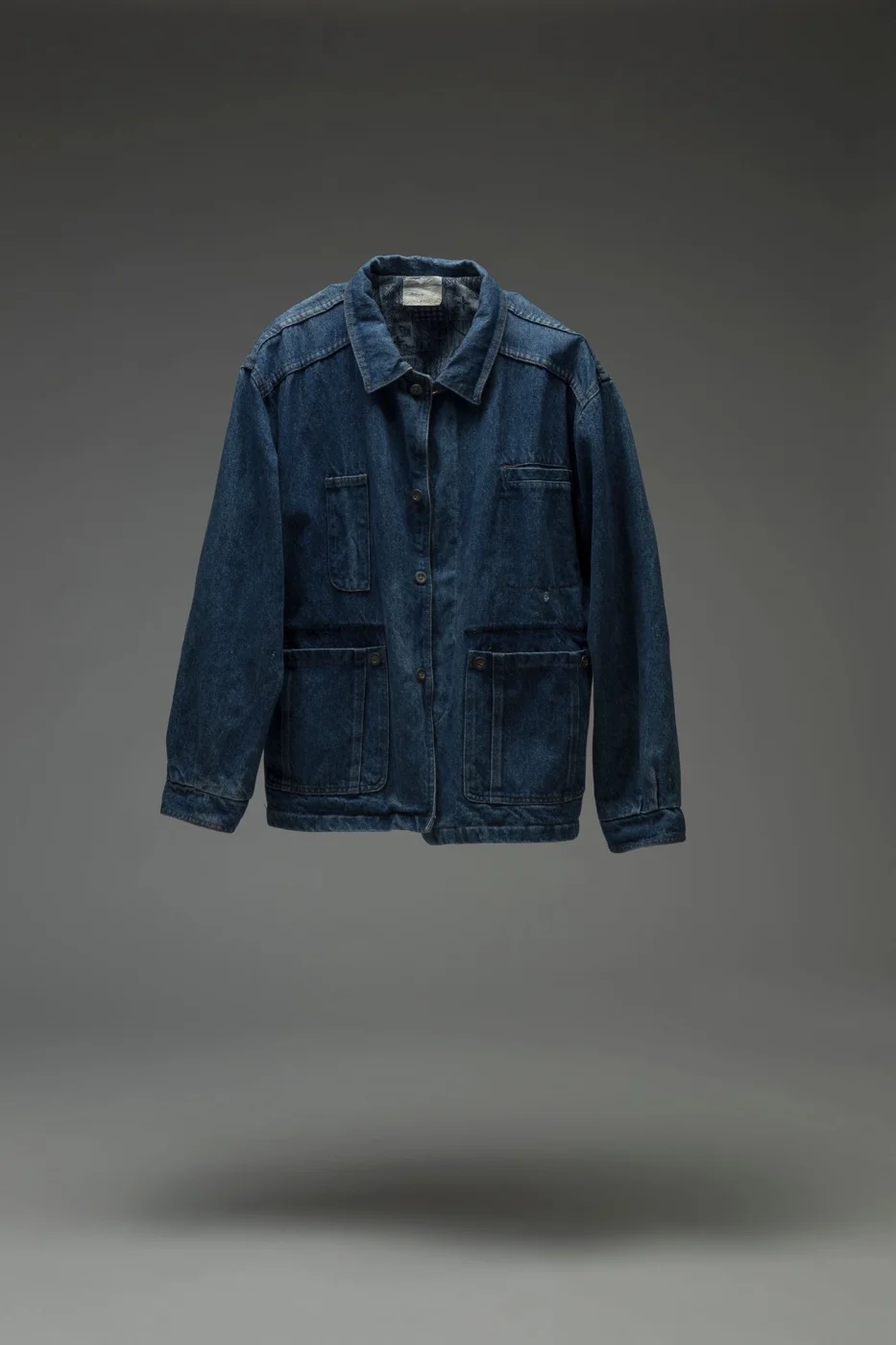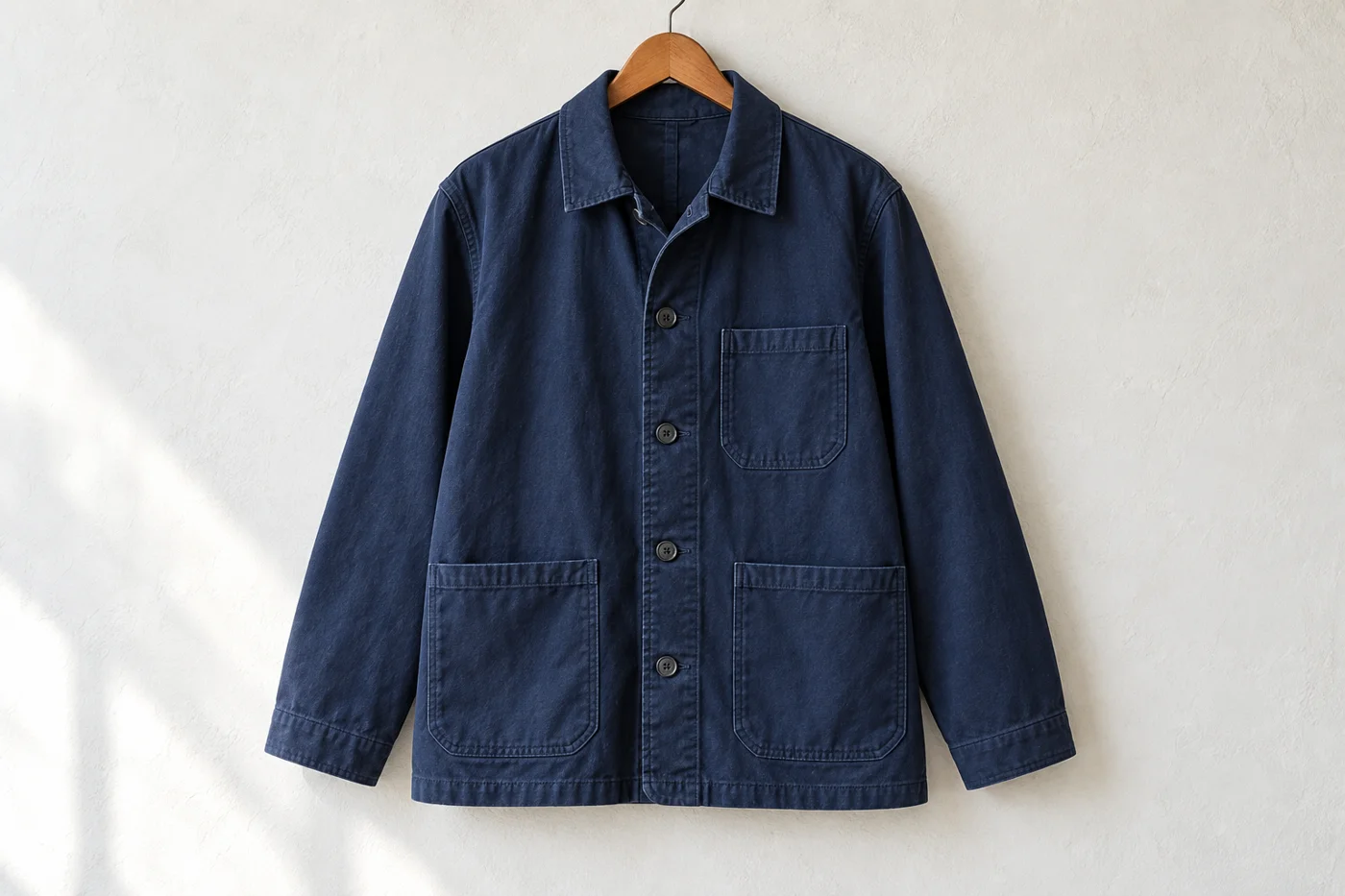
The appeal of a chore jacket often lies in its straightforward shape and large patch pockets. Those pockets deserve more scrutiny than a quick glance at the front. Their position affects how you carry things, how the jacket hangs, and whether you can reach inside while seated.
Imagine a specific errand: phone in one pocket, a small wallet in another, and keys kept apart from the screen. Does the jacket have compartments that suit those objects, or simply several openings of roughly the same size? A large pocket without a closure may be fine for gloves and less suitable for a small item that can fall out.
Reach from different positions
Try the lower pockets with the jacket buttoned and unbuttoned. Sit as you would in a car or on a train. An opening that is easy to reach while standing may fold under your hand when seated. A chest pocket can be convenient, but it should not require pulling the entire jacket upward to retrieve something.
Add a light representative load briefly and watch the hem. A soft jacket may tilt or sag under the weight of a phone. A firmer fabric may hold the shape but feel bulky against the hip. Neither construction is automatically superior; choose according to the items you actually carry.
Inspect pocket corners and the way the pocket is attached. Neat reinforcement can be useful, but visible stitching alone does not guarantee long life. Look for loose threads, uneven attachment, or an opening that already distorts when lightly used.
Keep the jacket wearable as clothing
Large pockets should not distract from shoulder and sleeve fit. Reach forward and bend your elbows with your usual layer underneath. A chore jacket may be designed with a relaxed body yet still have narrow sleeves. If you want to wear a sweater beneath it, test that combination rather than assuming workwear styling means generous proportions.
Check the collar and front buttons too. A stiff collar can be noticeable beneath a backpack strap, and a widely spaced front may open more than you expect when sitting. The jacket's simple appearance does not remove the need for these ordinary checks.
Buy the layout you will use. If you always carry a bag, flatter pockets may be enough; if you want to leave the bag at home, accessible and secure storage should guide the choice.